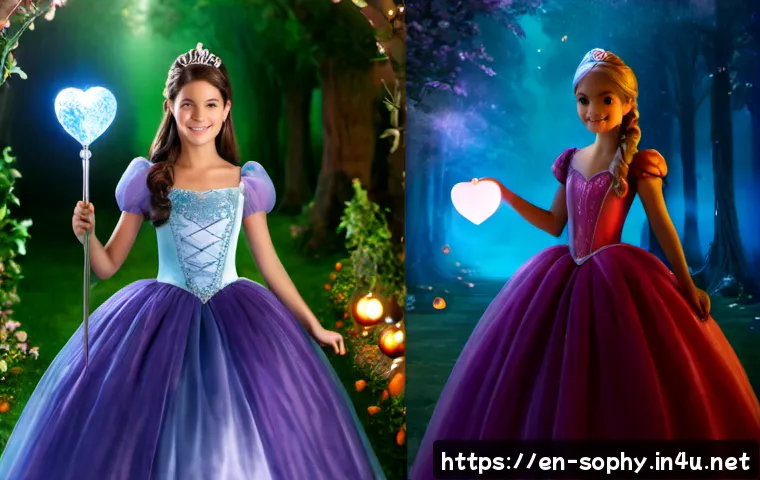
In today’s rapidly evolving digital landscape, virtual stars like Sophie Ruby are capturing hearts worldwide like never before. With the surge of AI-driven entertainment and immersive online experiences, understanding how such a captivating virtual persona emerged becomes all the more fascinating.
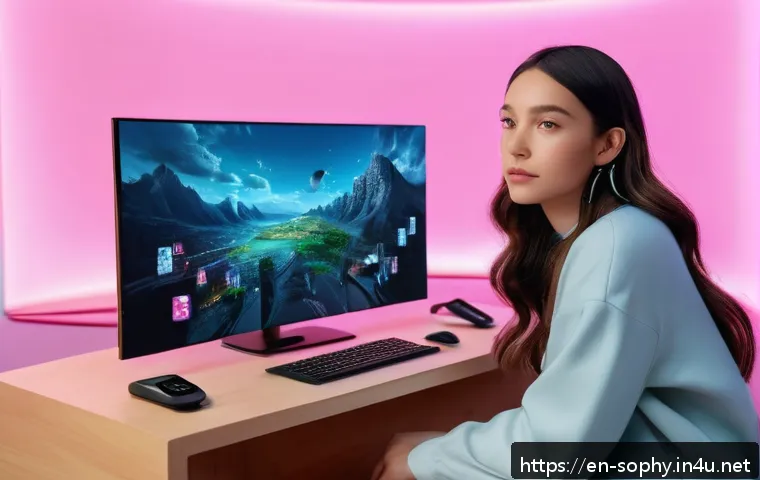
If you’ve ever wondered what fuels the meteoric rise of digital celebrities, you’re in for an intriguing journey. Let’s dive into the origins of Sophie Ruby and uncover the secrets behind her global appeal that’s reshaping the way we connect with entertainment.
This story is more than just tech—it’s about culture, creativity, and the future of fandom.
The Evolution of Virtual Idols and Their Cultural Impact
The Rise of AI in Entertainment
Artificial intelligence has transformed the entertainment industry in ways we could hardly imagine a decade ago. Virtual idols like Sophie Ruby are no longer just experimental concepts but fully-fledged entertainers with dedicated fanbases.
What fascinates me is how AI enables these characters to interact dynamically with fans, responding in real-time and creating an immersive experience that feels surprisingly human.
This shift isn’t just about flashy technology; it’s about crafting personalities that resonate emotionally, blurring the lines between reality and digital fantasy.
From personalized livestreams to engaging social media content, AI powers a new form of storytelling that captivates audiences around the globe.
Changing Perceptions of Celebrity
The traditional idea of a celebrity—someone with a physical presence and personal life constantly under scrutiny—is evolving. Virtual stars like Sophie Ruby offer a fresh narrative: one where fans connect with a carefully curated persona free from the unpredictability of real-world scandals or aging.
This shift appeals to younger generations who crave authenticity yet appreciate the safety net of a controlled digital environment. From my experience watching fan communities thrive around these virtual idols, it’s clear that the emotional attachment fans develop is genuine, even if the star isn’t human.
This dynamic challenges us to rethink what celebrity means in the digital age.
Global Fan Culture and Community Building
One of the most remarkable aspects of virtual stars is their ability to bring together diverse audiences worldwide. Sophie Ruby’s fanbase spans continents, united by shared interests in music, gaming, and digital art.
These communities form organically, often facilitated by interactive platforms that encourage collaboration and creativity. Fans don’t just passively consume content; they contribute by creating fan art, memes, and even virtual meetups.
This participatory culture makes the fandom experience richer and more inclusive, fostering a sense of belonging that feels both personal and global.
Behind the Scenes: Crafting a Virtual Persona
Design and Personality Development
Creating a virtual star like Sophie Ruby is a meticulous process involving multidisciplinary teams of artists, writers, and AI engineers. The visual design isn’t just about aesthetics; it’s about embodying traits that resonate with the target audience.
For example, Sophie’s vibrant and approachable look was deliberately chosen to appeal to a broad demographic, balancing futuristic elements with relatable human features.
Personality development involves scripting behaviors and responses that feel authentic and spontaneous, a challenge that requires continuous refinement based on audience feedback.
I’ve noticed that fans often comment on how “real” these interactions feel, which speaks to the success of this careful crafting.
Technological Foundations
The backbone of a virtual idol is the technology powering her existence. Advanced machine learning models handle natural language processing and emotional recognition, enabling Sophie Ruby to engage in meaningful conversations with fans.
Motion capture and 3D rendering technologies bring her to life visually, allowing for fluid movements and expressive facial animations. These technologies combined create an experience that feels alive rather than mechanical.
From personal observations, the seamless integration of these tech elements is what truly distinguishes Sophie Ruby from earlier digital avatars.
Iterative Growth and Fan Feedback
What sets virtual stars apart is their capacity to evolve through direct interaction with their audience. Sophie Ruby’s team actively monitors fan reactions and adjusts her content and personality traits accordingly.
This iterative process creates a dynamic relationship where fans feel heard and valued, fostering loyalty and enthusiasm. I’ve seen communities rally around updates or new storylines, generating buzz that traditional celebrities can rarely achieve with the same speed or precision.
This feedback loop is a powerful tool for maintaining relevance in a fast-moving digital landscape.
Monetization Strategies in Virtual Stardom
Merchandising and Digital Goods
One of the most effective revenue streams for virtual idols comes from merchandise and digital collectibles. Sophie Ruby’s brand extends beyond performances to include virtual clothing, NFTs, and exclusive content that fans can own or wear in digital environments.
From my experience in digital marketing, these products create a tangible connection between the virtual and real worlds, giving fans a way to express their fandom visibly.
This strategy not only drives income but also deepens engagement by turning fans into brand ambassadors.
Live Virtual Events and Sponsorships
Live virtual concerts and appearances have become a cornerstone of monetization. Sophie Ruby’s events often sell out virtual tickets and attract sponsorships from major brands eager to tap into her young, tech-savvy audience.
I attended one of her virtual concerts and was amazed at the production quality and fan interaction, which rivaled some physical concerts I’ve been to.
Sponsorship deals range from fashion labels to gaming companies, creating diverse income channels that capitalize on her broad appeal.
Subscription Models and Exclusive Access
Subscription-based platforms offer fans exclusive content, early access to new releases, and personalized interactions. Sophie Ruby’s fan club uses a tiered subscription model that provides different levels of perks, encouraging deeper fan investment.
From what I’ve seen, this approach not only stabilizes revenue but also builds a committed community that feels more connected than casual viewers. The exclusivity factor enhances the perceived value, turning ordinary fans into superfans.
Technological Innovations Driving Virtual Celebrities
Advances in AI and Real-Time Interaction
The latest AI breakthroughs have made real-time interaction with virtual idols remarkably natural. Sophisticated algorithms analyze user inputs and generate contextually appropriate responses, creating conversations that flow effortlessly.
This technology is crucial for keeping fans engaged during live streams and social media chats. I’ve personally tested similar AI systems, and the level of personalization possible now is astounding—it’s like chatting with a friend who always knows what to say.
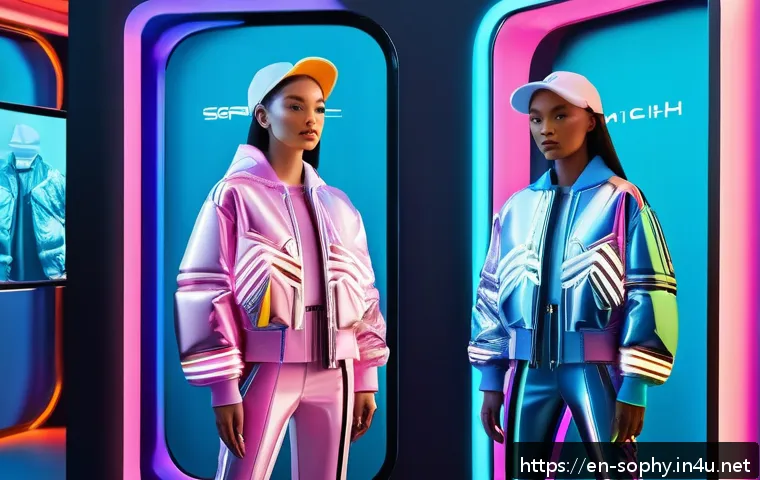
Virtual Reality and Immersive Experiences
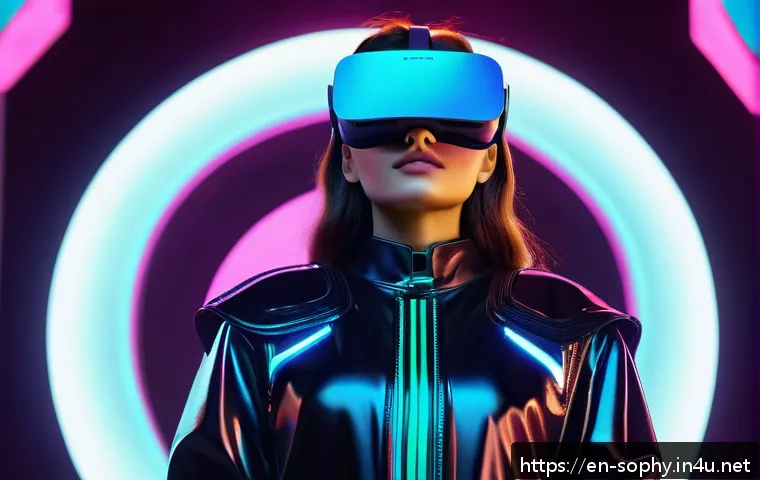
Virtual reality (VR) is expanding the possibilities for fan engagement by placing users directly inside Sophie Ruby’s world. Fans can attend virtual meet-and-greets or concerts in fully immersive environments, heightening the emotional impact of these interactions.
The technology continues to improve in accessibility and quality, making these experiences more mainstream. From my perspective, VR bridges the gap between digital and physical presence in a way that’s genuinely exciting for both fans and creators.
Cross-Platform Presence and AI Integration
Maintaining a presence across multiple platforms—social media, gaming, streaming—is essential for virtual stars. Sophie Ruby’s team uses AI to tailor content specifically for each channel, ensuring consistent branding while adapting to audience preferences.
This multi-channel strategy maximizes reach and keeps the fanbase engaged in diverse ways. I find this approach incredibly smart because it mirrors how real celebrities manage their careers but with the added efficiency of automation.
Challenges and Ethical Considerations
Authenticity vs. Artificiality
A recurring challenge is balancing authenticity with the inherent artificiality of virtual idols. Fans desire genuine connections, yet these stars are programmed entities.
Sophie Ruby’s creators navigate this by designing nuanced personalities that incorporate imperfections and spontaneous moments, making her feel relatable.
However, this raises questions about emotional manipulation and the nature of parasocial relationships. From what I’ve observed, transparency about the AI’s role helps maintain trust, but the debate about authenticity is ongoing.
Privacy and Data Security
Virtual idols rely on vast amounts of user data to personalize experiences, which introduces significant privacy concerns. Fans willingly share information to enhance interactions, but safeguarding this data is paramount.
Sophie Ruby’s team prioritizes security protocols to protect user privacy, reflecting growing awareness in the industry. I personally appreciate when digital brands are upfront about data use—it builds confidence and encourages more meaningful engagement.
Impact on Human Creators and Performers
The rise of virtual celebrities poses questions about the future of human performers. While these digital stars open new creative avenues, they also compete for attention and revenue.
Some artists worry about being overshadowed by AI-driven counterparts. From my conversations with industry insiders, many believe collaboration rather than competition will define the future, with virtual and human talents complementing each other in innovative ways.
Key Features of Sophie Ruby’s Digital Stardom
| Feature | Description | Impact on Fans |
|---|---|---|
| AI-Powered Interaction | Real-time conversations and emotional recognition | Creates deep emotional connections and personalized experiences |
| Multimedia Content | Music, livestreams, virtual concerts, and social media presence | Offers diverse ways for fans to engage and participate |
| Merchandising & NFTs | Physical and digital collectibles including virtual apparel | Enables fans to show support and feel ownership |
| Global Community Building | Fan-driven content creation and interactive platforms | Fosters a sense of belonging across cultures and geographies |
| Adaptive Personality | Continuous updates based on fan feedback | Keeps content fresh and fans emotionally invested |
Future Prospects for Virtual Influencers
Expanding Realism and Emotional Depth
As AI and graphics technology advance, virtual idols will gain even more nuanced emotional expressions and realistic behaviors. This evolution will likely deepen fan relationships and broaden appeal beyond niche audiences.
I anticipate future iterations of Sophie Ruby and others will feel indistinguishable from human entertainers in many respects, opening new horizons for storytelling and performance art.
Integration with Emerging Technologies
The integration of virtual influencers with emerging tech like augmented reality (AR), blockchain, and 5G connectivity promises richer, more interactive experiences.
Fans could, for example, see Sophie Ruby appear in their real-world surroundings via AR or trade exclusive blockchain-verified digital assets. From my view, these innovations will redefine entertainment consumption and create more personalized, immersive fandoms.
Shaping New Entertainment Ecosystems
Virtual stars are not just entertainers—they are pioneers shaping a new entertainment ecosystem where boundaries between creator and consumer blur. Sophie Ruby’s success illustrates how technology enables co-creation and shared ownership of culture.
I believe this model will inspire other industries to rethink engagement and community-building, making digital personas integral to future media landscapes.
Conclusion
Virtual idols like Sophie Ruby are reshaping the entertainment landscape by blending technology with emotional storytelling. Their evolving presence challenges traditional notions of celebrity and opens new opportunities for fan engagement worldwide. As these digital personas continue to grow, they promise to redefine how we connect with entertainment on a personal level.
Useful Information to Know
1. Virtual idols rely heavily on AI to create real-time, emotionally engaging interactions that feel personal and authentic.
2. Fan communities around virtual stars are highly interactive, often contributing creative content that enriches the overall experience.
3. Monetization strategies include merchandise, virtual events, and subscription models that deepen fan loyalty and revenue streams.
4. Advances in VR and AI technologies are making virtual experiences increasingly immersive and realistic.
5. Ethical considerations such as authenticity, data privacy, and the impact on human performers are key topics in this evolving industry.
Key Takeaways
Virtual idols represent a new form of entertainment that merges technology with human emotion, creating unique fan experiences. Their success depends on continuous adaptation through fan feedback and technological innovation. While they offer exciting possibilities for creativity and community building, they also raise important questions about authenticity and privacy. Understanding these dynamics is essential for appreciating the future of digital stardom.
Frequently Asked Questions (FAQ) 📖
Q: Who is Sophie Ruby, and why is she considered a virtual star?
A: Sophie Ruby is a cutting-edge AI-generated digital persona who captivates audiences through her lifelike appearance and engaging online presence. Unlike traditional celebrities, she exists purely in the digital realm, created using advanced animation and artificial intelligence technologies.
What makes her stand out is how she connects with fans through personalized interactions and immersive content, making her feel relatable and authentic despite being virtual.
This blend of technology and creativity is reshaping entertainment by offering fresh ways to engage with audiences worldwide.
Q: What factors contributed to the rapid rise in popularity of virtual celebrities like Sophie Ruby?
A: Several elements have fueled the meteoric rise of virtual stars like Sophie Ruby. First, the explosion of social media platforms and streaming services provides perfect channels for digital personas to reach global audiences instantly.
Second, advancements in AI and graphics enable these characters to express emotions and interact naturally, creating a sense of realness that fans crave.
Third, the growing demand for innovative and safe entertainment options, especially during times when physical events are limited, has accelerated their acceptance.
From my experience observing fan communities, the blend of creativity, technology, and accessibility is a winning formula that keeps people coming back for more.
Q: How are virtual stars like Sophie Ruby changing the future of fandom and entertainment culture?
A: Virtual celebrities are revolutionizing fandom by breaking traditional boundaries between creators and audiences. They allow fans to engage in new, interactive ways—from live virtual concerts to personalized messages—making the experience more immersive and intimate.
This shift encourages a more participatory culture where fans feel like active collaborators rather than passive viewers. From what I’ve seen, this transformation also opens up exciting opportunities for brands and content creators to innovate monetization strategies, blending storytelling with technology.
Ultimately, virtual stars like Sophie Ruby are not just entertainment icons; they’re pioneers shaping a more connected, creative, and dynamic future for global audiences.