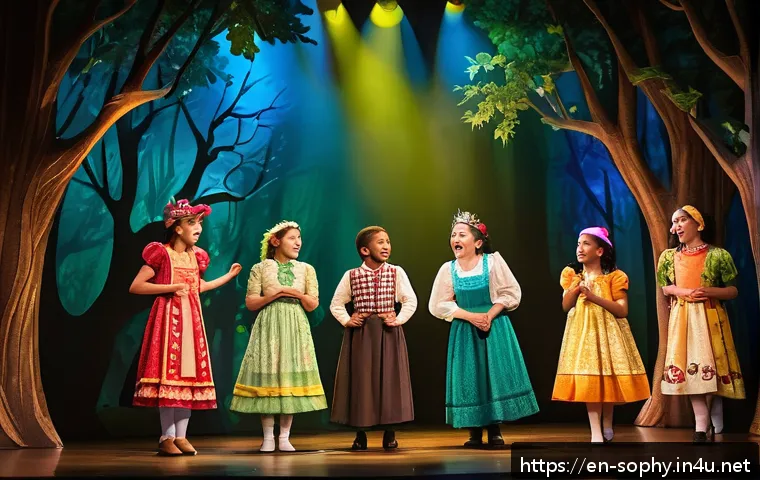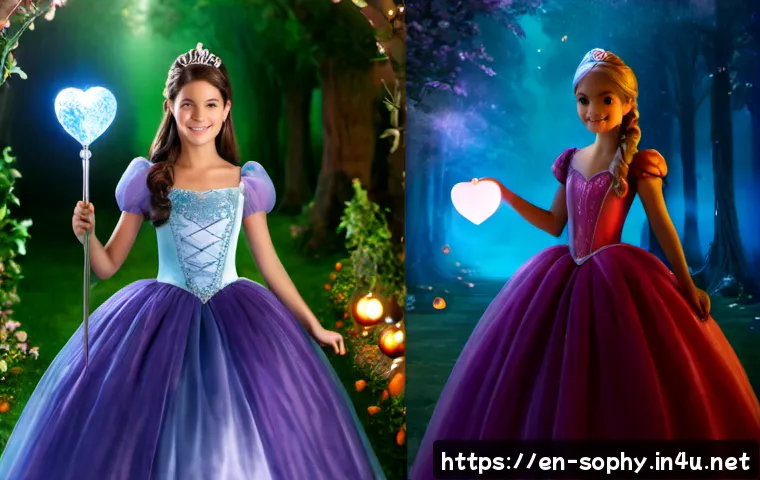
Sophy Ruby and classic fairy tales both use magic and transformation, but they differ in story structure, themes, and viewing experience. Use this guide to compare age fit, values, pacing, and family entertainment choices.
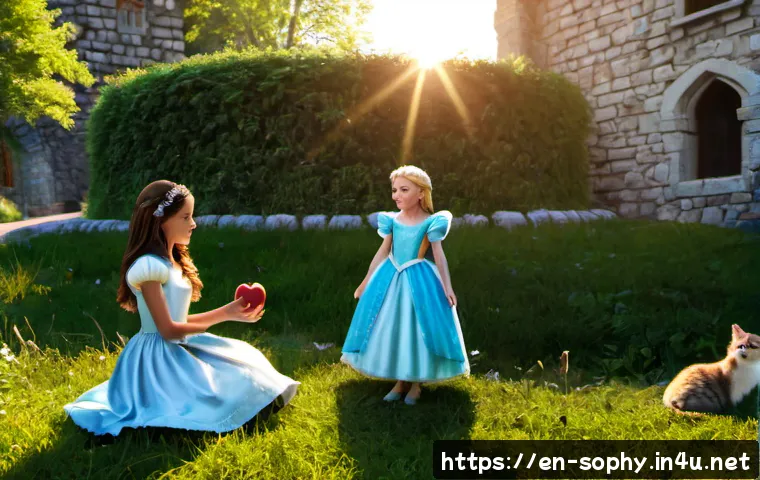
Sophy Ruby may suit children who enjoy colorful, ongoing magical adventures, while classic fairy tales may suit families looking for flexible storytime and discussion. Neither option is automatically better; the right choice depends on your child’s sensitivity, preferred pace, and how your family uses screens or books. A streaming subscription can make regular viewing convenient, but library books and collected tales can offer lower-commitment variety. Think about whether you want a repeatable animated routine, a short bedtime story, or a shared conversation about choices and consequences. Before spending on a service, book collection, or licensed item, check current availability, official age guidance, and parental-control options. A short preview or sample reading can prevent a purchase that does not match your child’s interests.
At a Glance
- Best for regular viewing: Sophy Ruby may appeal to children who prefer a modern animated fantasy format and familiar recurring characters.
- Best for storytime: Classic fairy tales can be easier to fit into short reading sessions and may be borrowed in many different editions.
- Best for family discussion: Either choice can work when adults preview the tone and talk through transformation, fairness, fear, and consequences.
| Decision factor | Sophy Ruby-style animated viewing | Classic fairy tales |
|---|---|---|
| Format | Often chosen for an ongoing, screen-based fantasy experience. | Usually experienced as standalone stories in books, audio, or adaptations. |
| Pacing | May feel more immediate for children who enjoy visual action and quick scene changes. | Can be paused, shortened, reread, or discussed at the family’s own pace. |
| Themes | May emphasize friendship, identity, magical change, and everyday challenges through fantasy. | Often explore choices, courage, kindness, danger, promises, and consequences. |
| Parent involvement | Previewing episodes and setting screen-time boundaries are useful. | Adults can select an edition, soften difficult language, or pause at a sensitive moment. |
| Access cost | May involve a family streaming subscription, depending on current regional availability. | May be available through library borrowing, owned books, or paid digital editions. |
Quick Answer: Modern Magical Adventures or Timeless Storytelling?
The practical difference is usually how the child experiences the story. A modern animated series can provide visual energy and familiar characters, while classic tales give parents more control over length, wording, and emotional intensity. Check the specific version rather than relying on the category alone: fairy tales range from gentle retellings to darker traditional adaptations, and animated fantasy varies by episode.
When Sophy Ruby may be the better fit
Sophy Ruby may be a sensible choice for a child who likes bright visuals, magical transformations, and returning to a familiar fantasy world. It can also fit a family routine in which adults choose a limited viewing window and watch selected episodes together. The key question is not whether animation is educational by default, but whether the child remains comfortable with the pace, conflict, and fantasy elements in the episodes you select.
When classic fairy tales may offer more value
Classic fairy tales may offer more value when you want short, flexible shared activities. A parent can read one scene, use an audiobook during a quiet activity, or revisit a favorite passage without committing to a full episode. Different retellings also make it easier to choose language and tone that fit the child. For a low-pressure option, check local library borrowing choices before buying a large collection.
What parents should check before choosing either option
Review the official age rating where available, preview unfamiliar material, and consider your child’s reactions to villains, peril, separation, and sudden transformations. Also check the practical side: current streaming plans, regional catalog access, subtitle or language settings, and platform parental controls. If you are considering books, toys, or other licensed products, confirm that they are official and available in your country before purchasing.
Story Format, Characters, and Fantasy Themes Compared
The strongest comparison is not “new versus old.” It is serialized visual storytelling versus a self-contained tale. Each format can be enjoyable, but each asks for a different level of attention and adult guidance.
Episodic animated adventures versus standalone tales
An animated fantasy series can encourage children to follow character relationships across multiple viewings. That continuity may be rewarding for children who enjoy remembering names, rules, and magical settings. A standalone fairy tale generally reaches its main conflict and resolution more quickly, which can be helpful before bedtime or when attention is limited. Parents should remember that a child may ask for “one more episode,” while a storybook can be closed at a natural stopping point.
Friendship, identity, transformation, and moral lessons
Both options can introduce useful themes. Modern magical adventures may open conversations about friendship, confidence, belonging, and identity. Fairy tales often create a simpler framework for discussing honesty, generosity, fear, promises, or the results of a careless decision. Avoid treating any story as a lesson package, though. A better approach is to ask a simple question afterward: “What choice would you have made?”
How predictable plots can affect younger viewers
Predictable stories can be reassuring. Children often enjoy knowing that familiar characters will return or that a story has a recognizable pattern. At the same time, predictable conflict does not mean every scene will feel safe to every child. A child who is sensitive to suspense may react strongly to a threatening character, an argument, or a frightening transformation. Previewing a new episode or adaptation remains the most reliable check.
Viewing Value, Access Costs, and Family Media Choices
Value is more than the price of a subscription or book. Consider how often the child will use it, whether it supports your family routine, and whether the access method gives you enough control. Availability, subscription prices, episode catalogs, and product listings can change, so verify them directly before deciding.
Streaming subscription access versus books and library borrowing
A family streaming subscription may be convenient when several household members will use it and the platform’s parental controls fit your needs. However, do not subscribe solely because one title appears in a search result; catalogs can differ by region and may change. Books and library borrowing can be a practical alternative for families that want variety without adding another recurring media expense. Compare the current plan details and parental-control features before choosing.
Rewatching episodes compared with rereading stories
Rewatching can help some children enjoy familiar characters and notice details they missed. Rereading gives children a different kind of control: they can linger over pictures, ask questions, skip a difficult passage, or request the same page again. Neither habit is inherently better. If replaying begins to feel automatic, offer a choice between one selected episode, one story, or a related creative activity such as drawing a new ending.
Licensed merchandise: when it adds value and when it does not
Licensed toys, books, games, and activity products can extend imaginative play when they are used rather than simply collected. A character book may support independent reading, while an art activity may create a screen-free follow-up. Still, merchandise is not required for a child to enjoy a story. Before buying, check the official product description, age guidance, materials, return terms, and whether the item genuinely matches how your child plays.
Safety, Age Fit, and Common Parent Mistakes
Fantasy entertainment can be gentle, exciting, strange, or upsetting depending on the version. The safest approach is specific review rather than broad assumptions. “Animated” does not automatically mean suitable for every child, and “fairy tale” does not always mean calm bedtime material.
Check official ratings and preview unfamiliar episodes or adaptations

Use official ratings as a starting point, not a complete answer. They may not explain every theme that matters to your family. If possible, preview an episode, read a sample, or look through an edition before sharing it. Pay attention to visual intensity, language, conflict, and whether the resolution is likely to feel reassuring for your child.
Watch for intense villains, peril, stereotypes, or upsetting endings
Some children are fine with brief danger but dislike betrayal, separation, or frightening villains. Some traditional adaptations also contain stereotypes or endings that deserve context. You do not need to avoid every difficult idea, but it helps to be present when a story introduces one. A calm explanation can turn an uncomfortable moment into a useful conversation, while stopping is also a valid choice.
Use parental controls and set a realistic screen-time routine
If you choose streaming, set up profile restrictions and review autoplay settings where the platform provides them. Decide in advance whether viewing happens before dinner, after homework, or only on selected days. A realistic routine is more useful than a rule that cannot be maintained. For younger children, a clear ending ritual—turning off the screen, choosing a book, or talking about a favorite scene—can make transitions easier.
Which Option Works Best for Different Family Situations?
The best fit changes with the moment. A child may enjoy animated magical adventures on a weekend and still prefer a brief fairy tale at bedtime. Use the situation, not only the title, to guide the choice.
For children who prefer colorful, fast-paced fantasy
A modern animated choice such as Sophy Ruby may be worth exploring if your child responds well to energetic visuals and ongoing character stories. Start with a previewed episode rather than assuming the entire catalog has the same tone. If the pace becomes overstimulating, save it for earlier in the day and switch to a quieter activity before bed.
For bedtime reading and shorter shared activities
Classic fairy tales can work well when you need a defined beginning and end. Choose a retelling with language, illustrations, and length that fit your child. You can also adapt the experience: read part of a tale, summarize a tense section, or stop at a comfortable point. That flexibility is a major advantage over a fixed episode length.
For parents seeking conversation about choices and consequences
Both formats can support discussion. Ask about a character’s decision, what felt fair, or how a problem might be solved differently. Fairy tales may make the cause-and-effect pattern easier to spot, while a recurring animated story may let children compare choices across characters. Keep questions open and short so the conversation feels like sharing, not a quiz.
Selection Criteria and Comparison Summary
Before subscribing, buying, or borrowing, use these checks:
- Format: Does your child want a visual series, a read-aloud story, or both?
- Sensitivity: Have you checked for frightening scenes, peril, intense conflict, or upsetting endings?
- Access: Is the title currently available in your region, and does the platform offer suitable parental controls?
- Repeat value: Will your child enjoy revisiting it without creating a difficult screen-time pattern?
- Cost: Does a subscription, book purchase, library option, or licensed product make sense for your family?
Compare current streaming plans and parental-control features before choosing. For books, toys, or other licensed items, review the official product page for current details and suitability information.
In Closing
Sophy Ruby and classic fairy tales can both belong in a thoughtful family entertainment mix. The first may fit a child who enjoys ongoing animated fantasy, while the second may offer more control over pace and content. The most useful choice is the one that matches your child’s comfort level and your household routine. Preview first, keep expectations flexible, and let the child’s response guide the next selection.
Useful Things to Know
1. Different adaptations of the same fairy tale can have very different tones.
2. Streaming availability and catalog listings may vary by country and change over time.
3. A familiar story can be comforting, but repeated viewing still benefits from clear household boundaries.
4. Library borrowing can be a useful way to test story preferences before buying books or collections.
Important Notes
This comparison is a general selection guide, not a statement about current platform availability, official ratings, episode catalogs, prices, or licensed merchandise in any particular country. Individual children respond differently to fantasy themes, screen time, and emotional scenes. Confirm current official information and preview unfamiliar content before making a viewing or purchase decision.
Frequently Asked Questions
Q1. Is Sophy Ruby suitable for the same age group as classic fairy tales?
A1. Not necessarily. “Classic fairy tales” cover many versions and tones, while an animated fantasy series may also vary by episode. Check official age guidance, preview the specific content, and consider your child’s comfort with magical conflict, villains, and fast pacing.
Q2. Is a streaming subscription worth it for children who enjoy magical animated series?
A2. It can be worthwhile if the service is currently available in your region, offers appropriate parental controls, and has enough content your household will actually use. Compare current plan terms and catalog access with alternatives such as library books, audiobooks, or purchased digital stories.
Q3. Are classic fairy tales better for bedtime than animated fantasy shows?
A3. They can be, because reading allows you to control the pace, shorten the story, and choose a calm stopping point. However, a gentle, previewed animated episode may also fit some families. The best bedtime choice is the one that leaves your child settled rather than overstimulated or worried.