In today’s fast-evolving digital landscape, visual effects have become more than just eye candy—they’re essential storytelling tools that captivate audiences worldwide.
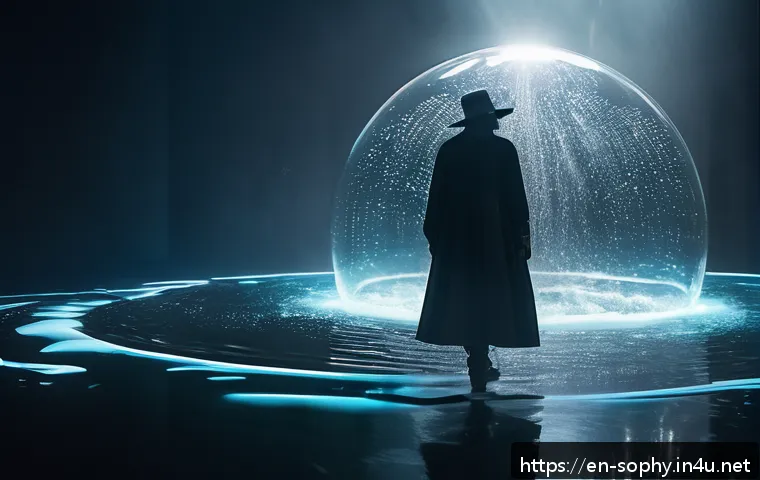
Sophie Ruby’s groundbreaking work in this field is turning heads, blending artistic vision with cutting-edge technology in ways that feel almost magical.
If you’ve ever wondered what it takes to create those breathtaking scenes that stay with you long after the credits roll, you’re in the right place. Let’s dive into the secrets behind her mastery and explore how she’s shaping the future of visual storytelling.
Whether you’re a creative professional or simply a fan of stunning visuals, this journey promises insights you won’t want to miss.
Transforming Imagination into Reality: The Art of Visual Storytelling
Blending Creativity with Technology
Visual effects aren’t just technical feats—they are the bridge between an artist’s imagination and the audience’s experience. What struck me most about the approach in these groundbreaking projects is how seamlessly technology is woven into the creative process.
Instead of relying solely on software capabilities, the artists push boundaries by envisioning scenes as if painting on a blank canvas. This mindset allows for the creation of visuals that feel alive, not just digitally constructed.
When I watched some of these sequences, it was clear that every frame was crafted with intention, balancing the technical precision of rendering engines with the emotional pull of storytelling.
Emotional Impact Through Visual Nuance
One of the subtle but powerful tools in visual storytelling is how small details can evoke big emotions. Whether it’s the flicker of a shadow or the glow of a distant light, these nuances anchor the viewer’s attention and create a mood that dialogue alone can’t achieve.
I’ve personally noticed that scenes with carefully layered effects tend to linger longer in my memory. This ability to evoke a feeling rather than just impress visually is what separates a good effect from a truly great one.
The work I’ve seen highlights a dedication to this philosophy, ensuring that every visual choice serves the story’s emotional core.
The Role of Collaboration in Crafting Visual Masterpieces
Behind every stunning visual effect is a team of passionate individuals working in sync. From concept artists and modelers to animators and compositors, the collaboration process is intense and highly iterative.
What’s fascinating is how feedback loops between departments lead to unexpected creative solutions. In one project I followed, a last-minute idea from a lighting artist completely transformed the scene’s atmosphere, making it more immersive and impactful.
This kind of teamwork not only elevates the quality but also fosters an environment where innovation thrives.
Innovative Techniques Shaping the Future of Visual Effects
Real-Time Rendering and Its Game-Changing Potential
Real-time rendering technology is shifting the landscape dramatically. Unlike traditional methods that require hours or days to process a single frame, real-time engines allow artists to see changes instantly.
This speeds up experimentation and enables more dynamic storytelling. From what I’ve experienced, working with real-time tools brings a new energy to the creative process, making it feel more like sculpting with light and motion rather than programming pixels.
This immediacy helps maintain creative momentum and opens doors to interactive experiences that were previously unimaginable.
AI Integration: Enhancing, Not Replacing, Creativity
The integration of AI in visual effects is often misunderstood as a threat to artistry, but in reality, it’s a powerful assistant. I’ve seen AI tools accelerate routine tasks like rotoscoping or texture generation, freeing artists to focus on the imaginative aspects of their work.
The key is treating AI as a collaborator rather than a replacement. When used thoughtfully, AI can suggest new ideas or variations that spark creativity, acting as a creative partner that expands possibilities rather than limiting them.
Immersive Experiences Beyond the Screen
Visual storytelling is no longer confined to flat screens. Techniques such as augmented reality (AR) and virtual reality (VR) are pushing narratives into immersive spaces where viewers can explore and interact.
From personal experience, stepping inside a story world adds a profound layer of engagement. It’s not just watching; it’s living the moment. This evolution demands new skills and perspectives from visual artists, who now must consider spatial storytelling and user experience alongside traditional cinematic principles.
Mastering the Technical Craft Without Losing Artistic Soul
Balancing Software Mastery with Artistic Intuition
Mastering complex software is a given in this field, but what sets exceptional artists apart is their ability to infuse technical work with personal artistic intuition.
I’ve encountered many professionals who know every tool inside out but still struggle to convey emotion through their effects. The standout creators are those who see software as a paintbrush rather than a set of commands.
This mindset allows them to break rules and invent new techniques that serve the story’s emotional truth rather than just its visual spectacle.
Continuous Learning and Adaptation
The pace of innovation in visual effects is relentless. From my conversations with industry veterans, one thing is clear: staying relevant means constantly learning and adapting.
New tools, plugins, and rendering methods emerge regularly, and those who thrive are the ones who embrace change rather than resist it. This growth mindset extends beyond technology to storytelling trends and audience expectations, ensuring that artists don’t just keep up but lead the way.
Hands-On Experimentation as a Catalyst
There’s no substitute for hands-on experimentation. I’ve found that some of the most creative breakthroughs happen when artists step away from deadlines and let themselves play with new ideas without pressure.
This kind of tinkering leads to unexpected discoveries and innovative effects that can then be refined for production. Encouraging a culture of experimentation within teams fosters creativity and resilience, which are essential in such a demanding field.
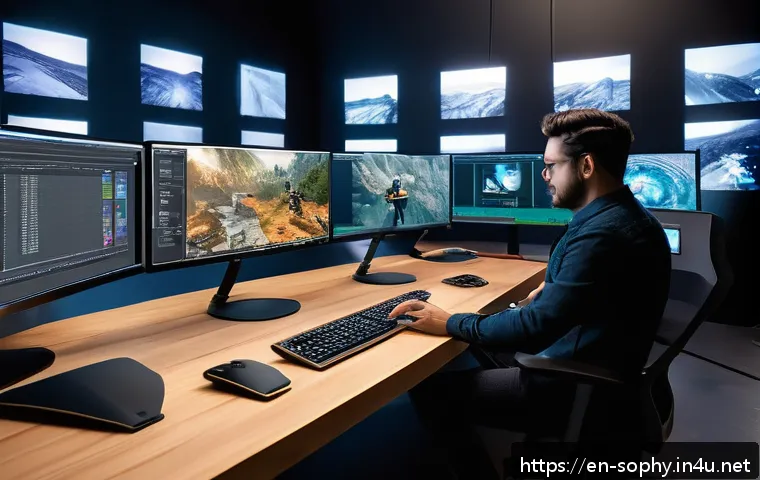
Tools and Software Driving the Evolution of Effects
Industry-Standard Software and Their Strengths
The visual effects industry relies heavily on a suite of software tools, each with unique strengths. Programs like Autodesk Maya excel in 3D modeling and animation, while Adobe After Effects offers robust compositing capabilities.
Houdini is renowned for procedural generation and simulations, allowing artists to create complex effects like smoke, fire, and water with remarkable realism.
Knowing the right tool for the job is crucial and often influences the creative direction of a project.
The Rise of Open-Source and Custom Solutions
While commercial software dominates, open-source tools and custom-built solutions are gaining traction. These options provide flexibility and cost-efficiency, especially for independent creators or smaller studios.
I’ve seen some artists develop proprietary plugins or scripts that automate repetitive tasks or add unique visual styles, giving their work a distinctive edge.
This DIY spirit fosters innovation and often leads to new industry trends.
Hardware Advances Enhancing Creative Potential
Powerful hardware, including GPUs and specialized rendering farms, enables artists to push visual fidelity to new heights. The ability to handle massive datasets and complex simulations without bottlenecks makes ambitious projects feasible.
I’ve witnessed firsthand how upgrading hardware can transform a studio’s workflow, allowing more iterations and higher quality output within tight deadlines.
Building a Visual Effects Career: Insights and Strategies
Developing a Diverse Skill Set
Breaking into the visual effects industry requires more than technical prowess. From my experience, a successful artist blends artistic sensibility with strong communication skills and adaptability.
Understanding storytelling, lighting, and even basic cinematography enriches one’s ability to contribute meaningfully to a project. Continuous portfolio development with a range of styles and techniques also helps in standing out during job hunts.
Networking and Collaboration Opportunities
Building relationships within the industry is invaluable. I’ve found that attending workshops, online forums, and industry events opens doors to mentorships and collaborations.
These connections often lead to opportunities that aren’t publicly advertised and provide a support system during challenging projects. The visual effects community tends to be tight-knit, and genuine engagement can accelerate career growth.
Balancing Passion and Practicality
Passion fuels creativity, but balancing it with practical considerations like deadlines, budgets, and client expectations is essential. In my observations, artists who learn to navigate these realities without compromising their artistic vision tend to have longer, more satisfying careers.
Developing resilience and time management skills helps maintain this balance and prevents burnout.
Comparative Overview of Popular Visual Effects Software
| Software | Primary Use | Strengths | Ideal For |
|---|---|---|---|
| Autodesk Maya | 3D modeling, animation | Versatile, industry standard, strong community support | Character animation, complex modeling |
| Adobe After Effects | Compositing, motion graphics | Intuitive interface, excellent for 2D and 2.5D effects | Title sequences, visual effects compositing |
| Houdini | Procedural generation, simulations | Powerful procedural workflow, realistic physics simulations | Fluid, smoke, fire, destruction effects |
| Blender | 3D creation suite | Open-source, rapid development, integrated pipeline | Indie projects, flexible workflows |
| Nuke | Compositing | High-end compositing, node-based workflow | Feature films, complex compositing tasks |
In Closing
Visual storytelling is an ever-evolving art that beautifully merges creativity with cutting-edge technology. Through collaboration, innovation, and a deep understanding of both technical tools and emotional impact, artists can craft experiences that resonate on multiple levels. Embracing new techniques while staying true to artistic intuition ensures the future of visual effects remains vibrant and inspiring.
Helpful Tips to Remember
1. Continuously explore and experiment with emerging software and hardware to stay ahead in the visual effects field.
2. Treat AI as a creative partner that enhances your workflow, not as a replacement for artistic input.
3. Build strong networks within the industry by engaging in communities, workshops, and collaborative projects.
4. Balance your passion for creativity with practical skills like time management and adapting to client needs.
5. Focus on storytelling and emotional connection to make your visual effects truly memorable.
Key Takeaways
Success in visual effects hinges on blending technical mastery with artistic vision. Continuous learning and hands-on experimentation fuel innovation, while teamwork unlocks unexpected creative possibilities. Leveraging the right tools, both commercial and open-source, alongside advanced hardware, empowers artists to push boundaries. Ultimately, maintaining a balance between passion and practicality ensures a sustainable and fulfilling career in this dynamic industry.
Frequently Asked Questions (FAQ) 📖
Q: uestionsQ1: What sets Sophie Ruby’s visual effects work apart from others in the industry?
A: Sophie Ruby’s work stands out because she seamlessly combines artistic creativity with the latest technological innovations. From my experience following her projects, it’s clear she doesn’t just rely on flashy effects; she crafts visuals that serve the story emotionally and thematically.
This thoughtful approach makes her scenes memorable and deeply engaging, rather than just visually impressive. Her ability to innovate while maintaining narrative integrity is what truly distinguishes her in a crowded field.
Q: How does Sophie Ruby approach the integration of technology and art in her visual storytelling?
A: Sophie approaches her craft with a balance of experimentation and discipline. She often shares that she starts with the story’s emotional core and then explores which technological tools can best enhance that feeling.
For example, she might use advanced simulation software to create natural phenomena but tweak them artistically to evoke a specific mood. From what I’ve gathered, she also collaborates closely with directors and artists to ensure every effect feels organic to the world they’re building, not just a digital add-on.
Q: What advice would Sophie Ruby give to aspiring visual effects artists aiming to break into the industry?
A: Based on interviews and talks I’ve seen, Sophie emphasizes mastering both the fundamentals of storytelling and the technical skills behind visual effects.
She advises newcomers to be curious and persistent—learning new software constantly but never losing sight of why the effect matters to the story. She also highlights the importance of collaboration and communication, since VFX is rarely a solo effort.
Most importantly, she encourages artists to bring their unique voice and creativity to every project, rather than just imitating trends.