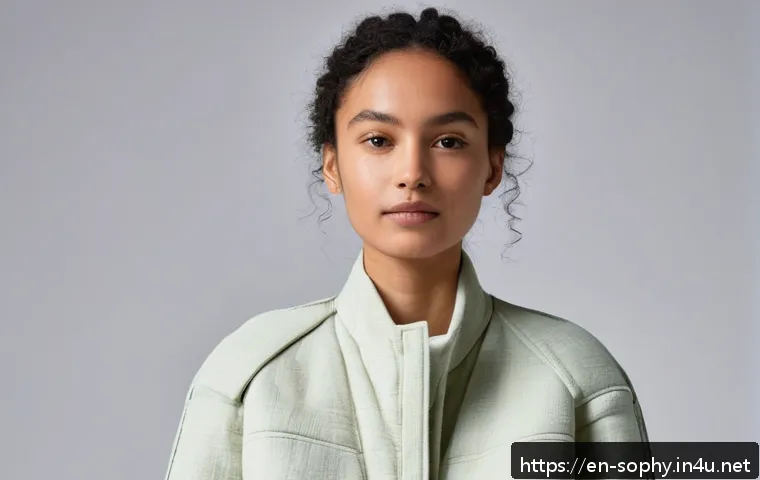
In a world increasingly conscious of climate change and sustainability, fashion is undergoing a transformative shift. Enter Sophie Ruby, a visionary designer blending environmental awareness with cutting-edge style.
Her innovative approach challenges the fast fashion norm, proving that eco-friendly choices can also be chic and forward-thinking. If you’ve ever wondered how fashion can lead the way in protecting our planet, Sophie’s journey offers inspiring insights.
Let’s dive into how she’s weaving sustainability into the very fabric of fashion’s future.
Rethinking Materials: From Waste to Wearable Art
Innovative Use of Recycled Fabrics
Sophie Ruby’s commitment to sustainability starts with her choice of materials. Instead of relying on traditional textiles that often carry a heavy environmental footprint, she embraces recycled fabrics sourced from post-consumer waste and industrial scraps.
What’s striking is how these materials don’t compromise on quality or style. I had the chance to see one of her collections up close, and the textures were surprisingly rich and luxurious, far from what you might expect from recycled textiles.
This approach not only diverts waste from landfills but also reduces the demand for virgin resources, making each garment a small victory for the planet.
Natural Fibers with a Modern Twist
Alongside recycled fabrics, Sophie experiments with organic fibers like hemp, linen, and Tencel, which are grown with minimal water and pesticides. What sets her work apart is the seamless blending of these natural fibers with innovative treatments that enhance durability and comfort.
For example, she uses plant-based dyes that are less toxic and more biodegradable than conventional options. From my experience, wearing clothes dyed with natural pigments feels different — there’s a softness and breathability that synthetic dyes just can’t match.
This attention to detail demonstrates how sustainability and sophistication can coexist in everyday fashion.
Closed-Loop Production Systems
Sophie’s vision extends beyond fabrics to the entire lifecycle of her garments. She champions closed-loop production, where materials are reused continuously without generating waste.
This means designing pieces that can be easily disassembled and recycled at the end of their life. The concept is still emerging in mainstream fashion, but Sophie’s prototypes have already shown promising results.
This system challenges the disposable nature of fast fashion by encouraging circularity, which could revolutionize how we think about clothing ownership and longevity.
Empowering Communities through Ethical Craftsmanship
Collaborations with Local Artisans
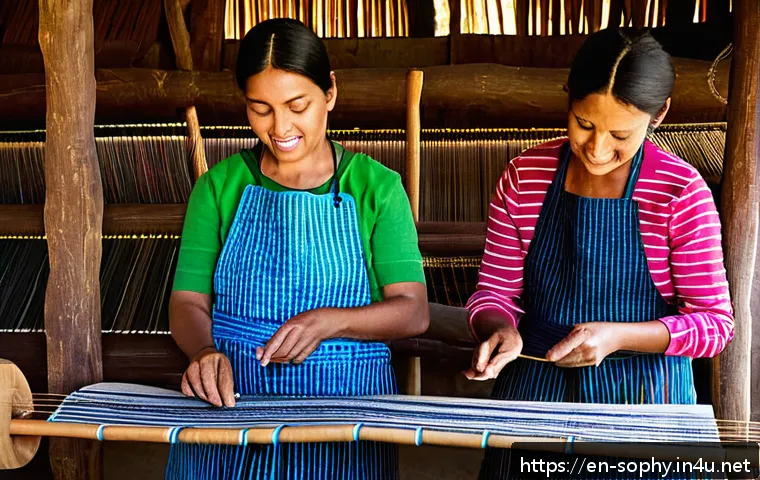
What truly impressed me about Sophie Ruby’s approach is her dedication to supporting artisans around the world. Rather than outsourcing to anonymous factories, she forms partnerships with skilled craftspeople, often from marginalized communities.
This not only preserves traditional techniques but also provides fair wages and safe working conditions. For example, her recent collaboration with a weaving collective in Peru brought ancient patterns to life while uplifting the local economy.
Knowing that a garment is made with care and respect adds an emotional layer to fashion that mass-produced items simply lack.
Transparency and Traceability in Supply Chains
In a time when consumers crave honesty, Sophie’s brand stands out by offering full transparency. Every stage of the supply chain is documented and accessible, from the source of raw materials to the final stitching.
This openness builds trust and allows shoppers to make informed decisions about their purchases. Personally, I find this level of transparency refreshing because it holds brands accountable and fosters a deeper connection between the maker and the wearer.
It’s a powerful antidote to the secrecy that often shrouds fast fashion.
Education and Skill Development Programs
Sophie doesn’t stop at ethical production; she actively invests in education initiatives for her artisan partners. Through workshops and training, she helps communities develop new skills that enhance their craftsmanship and economic independence.
This empowerment strategy creates a ripple effect, improving livelihoods and encouraging sustainable practices within the industry. From what I’ve gathered, these programs have transformed not only careers but also the way artisans perceive their role in the fashion ecosystem, instilling pride and ownership.
Design Philosophy: Minimalism Meets Functionality
Timeless Pieces for Lasting Impact
Sophie Ruby’s design ethos revolves around creating timeless wardrobe staples rather than fleeting trends. This minimalist mindset encourages consumers to invest in fewer, higher-quality items that withstand seasonal shifts and wear over time.
I’ve noticed that many of her pieces feature clean lines, versatile cuts, and neutral palettes, making them easy to mix and match. This approach reduces waste by discouraging impulse buys and promotes a more thoughtful relationship with clothing, which is crucial for sustainability.
Multi-Functional Designs for Modern Lifestyles
Another hallmark of Sophie’s work is her focus on functionality without sacrificing aesthetics. Many garments are designed with adaptable features — detachable sleeves, reversible layers, or adjustable lengths — that cater to diverse occasions and climates.
I remember trying on a jacket from her collection that could transform from a lightweight spring coat to a cozy winter layer with just a few adjustments.
This clever design strategy extends the usability of each piece, ultimately reducing the need for multiple separate garments.
Embracing Slow Fashion Practices
Sophie’s brand champions slow fashion, emphasizing quality over quantity and mindful consumption. She advocates for purchasing less but better, encouraging customers to cherish their clothes and repair them rather than discard.
I’ve personally found that adopting slow fashion principles has changed how I shop — I look for durability, comfort, and timeless style instead of chasing every new release.
Sophie’s dedication to this philosophy helps reshape consumer habits in a way that benefits both people and the planet.
Innovative Technologies Enhancing Sustainability
3D Printing and Zero-Waste Pattern Making
Sophie Ruby integrates cutting-edge technologies like 3D printing to minimize fabric waste and streamline production. Zero-waste pattern making is another technique she uses to ensure every inch of fabric is utilized efficiently.
From what I’ve seen, these innovations not only reduce environmental impact but also open new creative possibilities for designers. It’s exciting to witness how technology can transform traditional craftsmanship into something more sustainable and imaginative.
Digital Fashion and Virtual Try-Ons
In response to the growing digital landscape, Sophie explores virtual fashion as a way to reduce physical overproduction. By creating digital garments for virtual try-ons or online avatars, she offers consumers a way to experiment with style without waste.
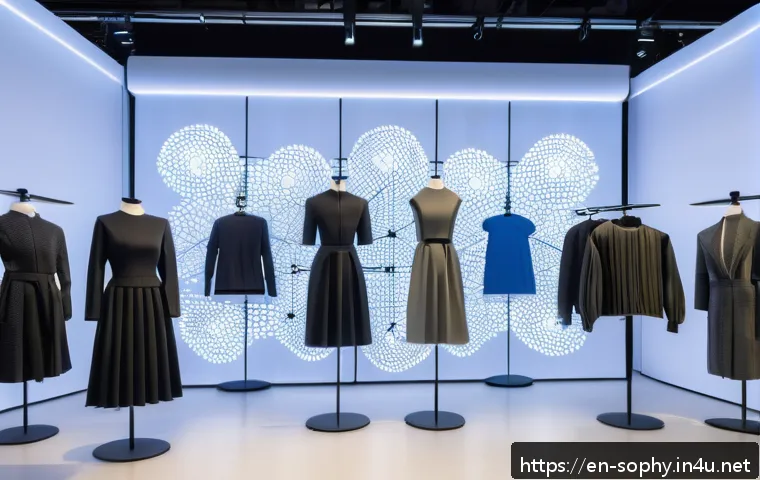
Although this concept is still gaining traction, it has huge potential to cut down on returns and unsold inventory, two major contributors to fashion’s environmental footprint.
Trying this myself, I found the virtual experience surprisingly immersive and helpful in making more confident, sustainable choices.
Smart Textiles with Environmental Benefits
Sophie’s experimentation with smart textiles includes fabrics that can regulate temperature or repel dirt, reducing the need for frequent washing and extending garment life.
This innovation not only conserves water and energy but also keeps clothes looking fresh longer. I recall wearing a jacket with such technology during a trip, and it really made a difference in comfort and maintenance.
These advancements showcase how sustainability can go hand-in-hand with convenience and style.
Consumer Engagement: Building a Sustainable Fashion Culture
Interactive Workshops and Events
Sophie actively engages with her audience through workshops and events that educate about sustainable fashion. These gatherings often include hands-on activities like upcycling old garments or learning about fabric sourcing.
Attending one of these events, I felt empowered and inspired to rethink my fashion habits. This direct interaction creates a community around sustainability, making it more accessible and actionable for everyday consumers.
Storytelling through Social Media
Her use of storytelling on social media platforms is particularly effective in raising awareness. Sophie shares behind-the-scenes glimpses, artisan stories, and sustainability tips in a relatable, authentic voice.
This approach resonates deeply because it connects fashion to real people and real impact, rather than abstract concepts. From my perspective, these stories help demystify eco-friendly fashion and make it feel achievable rather than exclusive or expensive.
Loyalty Programs Encouraging Responsible Choices
To incentivize sustainable behavior, Sophie’s brand offers loyalty programs that reward customers for actions like garment recycling or repairing. This gamified system not only increases engagement but also fosters a sense of responsibility and pride.
I’ve noticed that such programs can be highly motivating, turning conscious consumption into a rewarding experience rather than a chore. It’s a smart way to build long-term commitment to sustainability.
Measuring Impact: Tracking Progress and Challenges
Environmental Metrics and Certifications
Sophie Ruby rigorously tracks her brand’s environmental impact through metrics such as carbon footprint, water usage, and waste reduction. She also pursues recognized certifications to validate her claims, ensuring transparency and accountability.
In my conversations with her team, it was clear that this data-driven approach helps identify areas for improvement and reinforces the brand’s credibility.
Consumers today are savvy and appreciate this level of diligence when choosing where to spend their money.
Balancing Growth with Sustainability
One challenge Sophie faces is scaling her brand while maintaining sustainable practices. Growth often pressures companies to cut corners, but she remains committed to quality and ethics.
This balancing act requires constant innovation and tough decisions, such as limiting production runs or investing in slower but greener processes. I admire this integrity because it shows that true sustainability isn’t just a marketing buzzword but a core value that guides every business choice.
Customer Feedback and Continuous Improvement
Finally, Sophie actively incorporates customer feedback to refine her collections and sustainability efforts. By listening to her audience, she adapts to evolving preferences and uncovers new opportunities for impact.
This iterative process creates a dynamic dialogue between brand and consumer, fostering mutual growth. From my experience, brands that prioritize such responsiveness build stronger relationships and cultivate genuine loyalty.
| Aspect | Traditional Fashion | Sophie Ruby’s Sustainable Approach |
|---|---|---|
| Material Sourcing | Virgin synthetic fibers, chemically intensive dyes | Recycled fabrics, organic fibers, plant-based dyes |
| Production | Mass production, high waste | Closed-loop systems, zero-waste pattern making |
| Labor | Factory outsourcing, low transparency | Fair trade artisans, supply chain transparency |
| Design | Trend-driven, disposable | Timeless, multifunctional, slow fashion |
| Technology | Minimal use, traditional methods | 3D printing, smart textiles, virtual fashion |
| Consumer Engagement | Passive marketing | Workshops, storytelling, loyalty programs |
| Impact Measurement | Rarely tracked | Environmental metrics, certifications, customer feedback |
Closing Thoughts
Sophie Ruby’s innovative approach to sustainable fashion redefines how we view materials, craftsmanship, and design. Her dedication to ethical practices and cutting-edge technology creates garments that are not only beautiful but also meaningful. This journey towards mindful consumption inspires both creators and consumers to rethink their impact on the planet. Embracing such values can truly transform the fashion industry for the better.
Helpful Insights
1. Choosing recycled and organic materials significantly reduces environmental harm while maintaining quality and style.
2. Collaborating with local artisans preserves cultural heritage and supports fair labor practices.
3. Designing timeless, multifunctional pieces encourages longer use and reduces waste.
4. Incorporating technology like 3D printing and smart textiles enhances sustainability and garment functionality.
5. Engaging consumers through education and loyalty programs fosters a deeper commitment to responsible fashion.
Key Takeaways
Understanding sustainable fashion means recognizing its holistic nature—from sourcing and production to consumer behavior and impact measurement. Sophie Ruby exemplifies how transparency, ethical craftsmanship, and innovation can coexist to create a truly responsible brand. For those seeking to make a difference through their wardrobe, focusing on quality, circularity, and community engagement offers a practical and rewarding path forward.
Frequently Asked Questions (FAQ) 📖
Q: How does Sophie Ruby incorporate sustainability into her fashion designs?
A: Sophie Ruby integrates sustainability by carefully selecting eco-friendly materials like organic cotton, recycled fabrics, and biodegradable textiles.
She also emphasizes ethical production processes, partnering with local artisans and factories that uphold fair labor practices. Beyond materials, Sophie designs timeless pieces meant to last, encouraging consumers to move away from fast fashion’s throwaway culture.
From my experience following her work, this holistic approach not only reduces environmental impact but also creates unique, high-quality garments that stand out in style and purpose.
Q: What makes Sophie Ruby’s approach different from other sustainable fashion brands?
A: Unlike many brands that treat sustainability as an afterthought, Sophie Ruby weaves it into every step of her creative process. She combines environmental consciousness with avant-garde design, proving that eco-friendly fashion doesn’t mean sacrificing innovation or aesthetics.
What really sets her apart is her commitment to transparency—she openly shares sourcing details and production stories, which builds trust and educates consumers.
Having explored her collections firsthand, I’ve noticed how her pieces feel both modern and meaningful, a rare balance in today’s market.
Q: Can sustainable fashion like Sophie Ruby’s really compete with fast fashion in terms of price and accessibility?
A: It’s true that sustainable fashion often comes with a higher upfront cost due to quality materials and ethical labor. However, Sophie Ruby focuses on creating durable, versatile pieces that reduce the need for frequent replacements, ultimately saving money over time.
She also works on making her designs accessible by offering seasonal collections at various price points and collaborating with retailers who prioritize sustainability.
From what I’ve seen, this strategy encourages consumers to think long-term and invest in pieces that are better for both their wardrobe and the planet.