Parenting in today’s fast-paced world can feel overwhelming, especially when trying to understand the complex emotions of our little ones. With rising awareness around childhood mental health, SophieRuby’s approach offers a refreshing bridge between psychological insights and practical parenting advice.
Her unique perspective helps parents navigate emotional challenges with empathy and confidence. If you’ve ever wondered how to decode your child’s feelings and foster a nurturing environment, this is the place to start.
Let’s dive into how SophieRuby transforms expert knowledge into everyday wisdom that truly resonates.
Understanding Your Child’s Emotional Language
Recognizing Nonverbal Cues
Children often express feelings in ways adults might overlook. When my niece was struggling with anxiety, I noticed her clenching fists and avoiding eye contact before she even said a word.
These subtle signs can be powerful indicators of what’s going on inside their heads. Learning to tune into these physical expressions—like changes in tone, posture, or facial expressions—gives parents a deeper insight into their child’s emotional state.
Instead of waiting for verbal explanations, observing these nonverbal clues can prevent misunderstandings and build trust.
Decoding Emotional Outbursts
It’s easy to label a child’s tantrum as misbehavior, but often, it’s a form of communication when words fail. I remember a friend sharing how her son’s sudden anger was actually frustration from feeling unheard at school.
When you shift perspective to see outbursts as emotional signals rather than defiance, you create space for empathy. Try asking, “What’s really bothering you?” or “Can you tell me what you’re feeling?” This approach not only calms the situation but also teaches kids emotional vocabulary and self-awareness.
Encouraging Open Emotional Dialogue
Creating an environment where kids feel safe sharing their feelings can be transformative. When I started having nightly check-ins with my nephew, he gradually opened up about his worries and joys.
Simple questions like “What made you happy today?” or “Was there something that upset you?” invite children to practice expressing themselves regularly.
Over time, this builds emotional intelligence and strengthens the parent-child bond.
Practical Strategies for Emotional Regulation
Teaching Mindfulness in Everyday Moments
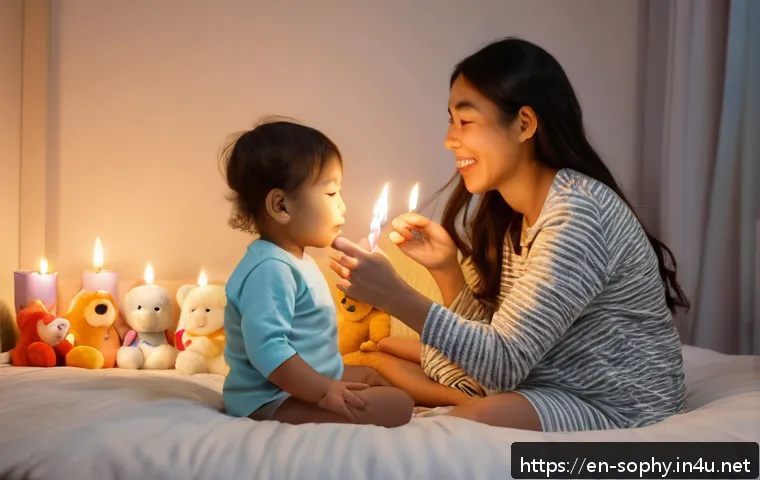
Mindfulness isn’t just for adults; teaching kids to pause and breathe during stressful moments works wonders. I introduced a simple breathing game to my toddler—pretending to blow out birthday candles—and it quickly became our go-to calming technique.
Encouraging children to identify their feelings and focus on their breath helps regulate intense emotions and reduces impulsivity. Integrating these practices into daily routines, like before homework or bedtime, makes emotional regulation a natural skill.
Building a Toolbox of Coping Mechanisms
Every child needs personalized tools to manage overwhelming feelings. I’ve seen families benefit from creating “emotion kits” that include favorite toys, calming music, or creative outlets like drawing.
These kits empower children to self-soothe independently, fostering resilience. Parents can guide kids in discovering what works best—whether it’s journaling, physical activity, or deep breathing—so they feel equipped to handle tough moments.
Modeling Emotional Balance
Children learn a lot from watching how adults handle their own emotions. I recall a moment when I openly shared my frustration after a tough day, then demonstrated how I took a break to calm down.
This honesty showed my niece that emotions are normal and manageable. When parents model healthy emotional expression and regulation, kids are more likely to adopt similar habits, creating a cycle of emotional wellness in the family.
Strengthening Connection Through Empathy
Validating Feelings Without Judgment
One of the biggest shifts I noticed in parenting was moving from trying to “fix” feelings to simply acknowledging them. Saying “I see you’re upset, and that’s okay” instead of “Don’t be silly” can make a world of difference.
Validation helps children feel understood and accepted, reducing feelings of isolation. It also encourages them to share more openly without fear of criticism.
Active Listening Techniques
Active listening requires more than hearing words; it’s about fully engaging with your child’s experience. When my friend practiced reflective listening—repeating back what her daughter said in her own words—it helped clarify emotions and showed genuine care.
Simple actions like eye contact, nodding, and asking clarifying questions reinforce that their feelings matter. This builds trust and deepens emotional intimacy.
Creating Rituals That Foster Bonding
Daily routines like bedtime stories or weekend walks aren’t just traditions—they’re opportunities for connection. I’ve found that these small rituals create safe spaces for kids to open up spontaneously.
Whether it’s sharing highs and lows of the day or just enjoying quiet time together, these moments strengthen emotional ties and support healthy development.
Recognizing When to Seek Professional Support
Identifying Persistent Emotional Struggles
Sometimes, despite best efforts, children’s emotional challenges persist or intensify. I once advised a parent whose child showed ongoing sadness and withdrawal to consult a child psychologist.
Persistent symptoms like prolonged anxiety, mood swings, or social withdrawal might signal deeper issues needing professional help. Early intervention can prevent long-term difficulties and support better outcomes.
How to Approach the Topic with Your Child
Bringing up therapy or counseling can feel daunting. I found that framing it as a way to “talk to someone who helps kids feel better” made the idea less intimidating for my nephew.
Emphasizing support rather than “problems” helps reduce stigma and encourages cooperation. Being honest and reassuring that seeking help is a sign of strength fosters a positive attitude towards mental health care.
Collaborating with Educators and Therapists
Parents don’t have to navigate emotional challenges alone. Partnering with teachers, counselors, and therapists creates a comprehensive support system.
I’ve seen how regular communication between home and school helps track progress and tailor strategies. Sharing observations and insights ensures consistency and reinforces the child’s sense of security across environments.
Encouraging Emotional Resilience Through Play
Using Imaginative Play to Explore Feelings
Play is a natural language for children to process emotions. I noticed my niece using dolls to act out scenarios that reflected her own fears and joys.
Encouraging such imaginative play allows kids to experiment with different emotions safely and learn problem-solving skills. Parents can join in or observe quietly, providing gentle guidance when needed.
Incorporating Games That Teach Emotional Skills
Board games and apps designed to enhance emotional intelligence can be both fun and educational. I introduced a feelings-matching card game to my nephew, and it sparked conversations about emotions we don’t usually talk about.
These interactive tools make learning about empathy, patience, and cooperation engaging and memorable.
Balancing Structured and Free Play
While guided play has its benefits, unstructured time is equally important for emotional growth. Allowing children to explore their interests freely fosters creativity and self-expression.
I’ve seen how balancing both types of play supports a well-rounded emotional experience, giving kids the freedom to discover and regulate feelings naturally.
Creating a Supportive Home Environment
Establishing Predictable Routines
Children thrive on consistency, which provides a sense of safety amid the chaos of daily life. I experienced firsthand how setting regular meal, sleep, and activity times reduced my nephew’s anxiety.
Predictable routines help children know what to expect, minimizing stress and giving them control over their world.
Encouraging Positive Reinforcement
Celebrating small emotional victories builds confidence and motivation. I make it a point to praise my niece when she calmly expresses frustration or tries a new coping skill.
Positive reinforcement reinforces desirable behaviors and helps children internalize emotional competence as something achievable and rewarding.
Minimizing Exposure to Stressors
In today’s digital age, children are bombarded with information that can be overwhelming. I realized limiting screen time and monitoring media content significantly impacted my nephew’s mood and anxiety levels.
Creating a calm, nurturing home atmosphere free from unnecessary stressors supports emotional balance and overall well-being.
| Emotional Challenge | Signs to Watch For | Practical Response | When to Seek Help |
|---|---|---|---|
| Anxiety | Restlessness, irritability, avoidance | Mindfulness exercises, open conversations | Persistent worry impacting daily life |
| Anger Outbursts | Frequent tantrums, aggression | Validation of feelings, teaching coping tools | Physical harm or extreme aggression |
| Sadness/Withdrawal | Loss of interest, social isolation | Encouraging expression, consistent routines | Prolonged depressive symptoms |
| Difficulty with Emotional Regulation | Impulsivity, mood swings | Breathing techniques, emotion kits | Severe mood instability |
Conclusion
Understanding and supporting your child’s emotional language is a vital part of nurturing their well-being. By recognizing nonverbal cues, encouraging open dialogue, and modeling healthy emotional habits, parents can foster resilience and trust. Remember, emotional growth is a journey that requires patience, empathy, and consistent support. Embracing these practices creates a stronger, more connected family dynamic.
Helpful Tips to Remember
1. Pay close attention to your child’s body language and tone—it often reveals more than words alone.
2. Approach emotional outbursts as opportunities to understand underlying feelings, not just misbehavior.
3. Establish daily routines that promote predictability and a sense of security.
4. Encourage play and creative activities as natural ways for children to explore and express emotions.
5. Don’t hesitate to seek professional help if emotional challenges persist or worsen.
Key Takeaways
Effective emotional support begins with active listening and validation, helping children feel safe to share their feelings. Teaching mindfulness and coping strategies empowers kids to regulate emotions independently. Consistency in routines and positive reinforcement build confidence, while collaboration with educators and therapists strengthens the overall support system. Ultimately, fostering empathy and emotional resilience lays the foundation for healthy development and lifelong well-being.
Frequently Asked Questions (FAQ) 📖
Q: How does SophieRuby’s approach help parents understand their child’s emotions better?
A: SophieRuby combines psychological insights with real-life parenting tips, making complex emotional concepts easier to grasp. From my experience, her advice feels very relatable and practical, not just theoretical.
She encourages parents to listen actively and validate their child’s feelings, which helps build a stronger emotional connection and trust. This approach transforms confusion into clarity, allowing parents to respond with empathy rather than frustration.
Q: What practical strategies does SophieRuby recommend for creating a nurturing environment?
A: One thing I found particularly useful is her emphasis on consistent routines paired with emotional openness. SophieRuby suggests setting predictable schedules to provide children with a sense of security, while also encouraging open conversations about feelings.
She highlights small daily habits like mindful check-ins and reflective listening that make a huge difference over time. These strategies foster a safe space where kids feel seen and supported, which is crucial for healthy emotional development.
Q: Can SophieRuby’s advice help parents dealing with challenging behaviors?
A: Absolutely. SophieRuby’s guidance doesn’t just focus on understanding feelings but also on addressing challenging behaviors with compassion and patience.
Instead of quick fixes, she promotes looking beneath the behavior to understand the underlying emotional needs. From what I’ve tried, this mindset shift helps reduce power struggles and creates opportunities for positive communication.
It’s like having a roadmap to navigate tough moments without losing connection or confidence as a parent.