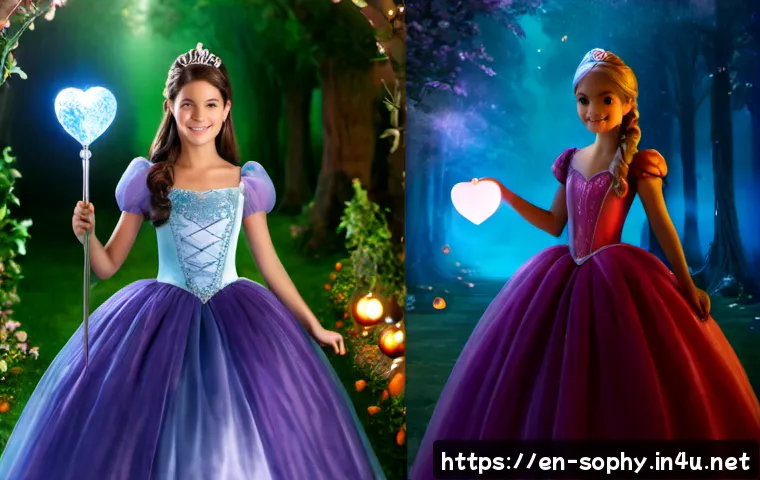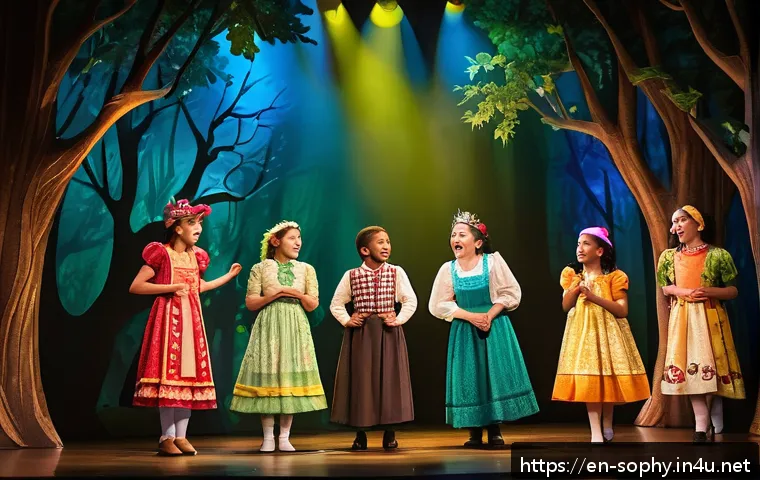
Sofy Ruby’s visual style is easy to recognize through bright color groups, expressive faces, clear silhouettes, and fantasy-inspired outfits. The safest way to study it is to use official artwork, episodes, or licensed publications as observation references rather than copying finished images.
For practice, focus on shape, expression, costume layering, and color balance. Free sketch tools are enough for basic studies, while paid illustration software can help when you want layers and more controlled coloring.
Parents and beginners may also prefer age-appropriate drawing books or guided courses with clear, original exercises. If you plan to publish or sell work, create original characters instead of reproducing recognizable franchise designs.
At a Glance
- Core look: bright colors, readable facial expressions, simple shapes, and fantasy-themed costume details.
- Best study method: observe official visual material for design principles, then apply those principles to original sketches.
- Important caution: recognizable characters and official artwork may require permission for commercial use.
| Drawing Resource | Best For | What to Check Before Choosing |
|---|---|---|
| Free sketch tools | Quick paper-like practice, line studies, and young beginners | Simple controls, device compatibility, and whether basic layers are available |
| Paid illustration software | Layered coloring, refined linework, and original character projects | Brush options, layer controls, learning curve, and ongoing access terms |
| Reference books or licensed publications | Studying official visual presentation and color decisions | Whether the publication is official, age-appropriate, and relevant to your goal |
| Beginner drawing courses | Parent-guided learning or structured practice | Original exercises, instructor clarity, and whether it teaches copying or observation |
What Makes the Sofy Ruby Look Easy to Recognize?
The visual presentation associated with Sofy Ruby is built for quick recognition on a small screen. The strongest clues are not tiny decorative details. They are clear facial expressions, bold color grouping, simple overall shapes, and fantasy-inspired outfit elements. This makes the characters readable even when the viewer does not see every line.
Quick Visual Summary: Bright Color, Readable Expressions, and Fantasy-Inspired Outfits
Children’s animation often depends on a visual language that can be understood quickly. A face should show emotion at a glance. Hair and clothing should help distinguish one character from another. Magical objects, accessories, and transformation-themed details can add excitement without making the design difficult to read.
When studying this approach, ask practical questions: Does the expression still work from far away? Is the character’s main color easy to identify? Can you recognize the costume shape before noticing smaller decorations?
Why Silhouette and Accessory Design Matter More Than Tiny Details
A silhouette is the outer shape of a character. It is one of the most useful things to study because it reveals how the design communicates before color or facial details are added. Hair volume, skirt or jacket shape, shoes, and a distinctive accessory can all create contrast.
For your own practice, begin with a filled black shape. If two original characters look too similar in silhouette, change the hairstyle, shoulder width, costume length, or accessory placement. Do not rely on a familiar franchise emblem or a nearly identical transformation outfit to make the character recognizable.
Breaking Down the Character Design Elements
The best way to learn from an animated style is to break it into separate decisions. Study one part at a time, then rebuild those observations in an original design. This is more useful than trying to duplicate a finished pose or promotional image.
Face Shapes, Eye Emphasis, and Expression Readability
In child-friendly animation, faces are usually designed for immediate emotional clarity. Observe how the face shape supports the eyes, eyebrows, and mouth. Large eye emphasis can make surprise, happiness, concern, or determination easier to read, but the exact proportions should not be copied character for character.
Try an original expression sheet with only a few emotions: happy, curious, worried, confident, and surprised. Use a new face shape, different hair, and your own color choices. This builds an expression library that belongs to your own character work.
Hair, Costume Layers, and Transformation-Inspired Details
Hair and clothing can create visual rhythm. A simple base outfit may be supported by layered details such as a collar, bow, cape-like element, jewelry, or magical accessory. The goal is not to add every possible detail. The goal is to create a clear order: large shape first, medium costume layer second, small accent last.
For a transformation-inspired original character, choose a different story role. For example, design a young inventor, a garden guardian, or a sky messenger rather than recreating a known heroine. Give that character a new color direction, a different prop, and a costume silhouette with its own identity.
Color Grouping for Heroes, Magical Objects, and Backgrounds
Strong color grouping helps a character stand apart from the background. Instead of using many unrelated colors, choose a small main group and use accents carefully. A magical object can carry a brighter accent, while the background can remain simpler so the character stays visible.
A common beginner issue is muddy color: too many colors with similar strength competing for attention. Test your drawing by reducing it to a small thumbnail. If the character disappears into the setting, simplify either the background or the costume palette.
Reference Tools and Learning Options: What Is Worth Paying For?
You do not need expensive tools to learn observation, sketching, or basic color grouping. What matters is selecting a resource that fits your device, experience level, and intended use. Paid options can become worthwhile when you need layered coloring, organized files, or structured instruction.
Official Visual References Versus Unofficial Fan Images
Official artwork, episodes, and licensed publications are the safest sources for studying how the franchise is presented. They can help you observe broad visual choices such as costume contrast, facial readability, and fantasy elements. Fan-made images may be creative, but they can include personal interpretations that do not reflect official material.
Do not assume that an image, tutorial, or product is licensed just because it uses familiar character names or visuals. Check the source and product details before treating it as official reference material.
Free Sketch Apps, Paid Illustration Software, and Beginner Course Selection
A free sketch tool is often the right starting point for gesture drawings, silhouette thumbnails, and expression practice. If you are moving into digital illustration, layered coloring can make it easier to separate linework, clothing, hair, and background elements.
A paid illustration program may be worth considering when you regularly create original character sheets or want more control over brushes and layers. A beginner art course may be a better choice if you need a repeatable practice routine. Look for lessons that teach observation, shape construction, and original design rather than simple character duplication.
A Comparison Table for Cost, Learning Curve, and Parent-Friendly Features
Before choosing a drawing resource, compare the learning commitment as carefully as the feature list. A simpler tool may help a young fan keep drawing, while a more advanced setup may suit a student building a portfolio. For parent-guided learning, clear instructions and original project prompts are often more valuable than a large tool set.
How to Study the Style Without Copying It

“Inspired by” practice should mean learning visual principles, not producing a near-match of a recognizable character. This matters especially if you post your work publicly, include it in a portfolio, or use it in content connected to a business.
Build a Personal Shape Library Instead of Tracing Finished Art
Create pages of original circles, ovals, triangles, ribbons, magical containers, shoes, sleeves, and hairstyles. Then combine those shapes in new ways. A personal shape library gives you reusable building blocks without tracing finished franchise artwork.
Create Original Characters Using Different Colors, Outfits, and Story Roles
Change more than one feature. Use a different name, color group, hair structure, outfit silhouette, accessory type, and story role. If the finished drawing could easily be mistaken for an existing Sofy Ruby character, continue redesigning it before presenting it as original work.
Common Mistakes: Over-Detailing, Muddy Colors, and Overly Similar Character Designs
Over-detailing can make a small animated design harder to read. Muddy colors weaken the focal point. An overly similar character design can create confusion about whether artwork is official or unofficial. Keep the main shape clear, limit accents, and label fan practice honestly when sharing it.
Tips for Different Drawing Goals
For Young Fans Drawing on Paper
Start with pencils, simple color tools, and short drawing sessions. Practice faces, outfit shapes, and magical props separately before trying a full character. A parent can help by choosing official, age-appropriate reference material and encouraging original variations.
For Digital-Art Beginners Practicing Layers and Coloring
Use separate layers for sketch, clean lines, flat color, and background. This makes revisions less stressful. Begin with a limited palette and a plain background, then add one magical effect only after the character remains readable.
For Creators Making Original Fantasy Characters for Portfolios or Content
Show your process: rough shapes, color tests, alternate accessories, and expression studies. This demonstrates original design thinking. Avoid using recognizable official logos, character names, or copied costume details when your work is intended for commercial content.
Choosing Your Drawing Resources: Final Comparison and Checklist
Best for sketching: a simple paper setup or free sketch tool with low-pressure controls. Best for layered coloring: illustration software that supports organized layers and comfortable brush control. Best for parent-guided learning: age-appropriate drawing resources with clear, original exercises and official reference material where relevant.
Before buying art supplies, software, or a course, check your budget, device compatibility, learner age, preferred learning style, and licensing needs. If you are comparing a paid drawing tool, book, or course, review the feature list and access conditions on the relevant product page before deciding.
Closing Thoughts
Sofy Ruby can be a useful visual reference for understanding clear children’s animation design. Focus on what makes the presentation readable: silhouette, expression, color grouping, and costume contrast. Use official sources for observation, then move away from direct imitation by building original characters and stories. The result will be more useful for learning and safer for public or commercial projects.
Useful Things to Know
1. A clear silhouette usually matters more than extra decoration.
2. Official sources are safer than unverified fan images when studying franchise presentation.
3. Free tools can support meaningful practice before you invest in advanced digital illustration software.
4. Original character choices should differ in multiple visible ways, not just one color change.
Important Notes
Specific production software, internal color specifications, and character-design rules used by the creators are not confirmed here. Availability, pricing, streaming access, and licensing terms for books, merchandise, courses, or digital tools can vary by retailer and region. If artwork will be sold, used in advertising, or presented as commercial content, verify the relevant permissions and licensing requirements before use.
Frequently Asked Questions
Q1. What are the main visual characteristics of Sofy Ruby’s art style?
A1. The visual presentation is associated with bright color grouping, expressive and readable faces, simple character shapes, clear silhouettes, and fantasy-inspired outfits or accessories. These elements help characters remain recognizable at smaller screen sizes.
Q2. What drawing app is best for practicing colorful animated character designs on a budget?
A2. A free sketch app can be a practical starting point if it feels comfortable on your device and supports the basic drawing process you need. For simple practice, prioritize easy sketching and color fills. If you later need layered coloring and more refined control, compare paid illustration software based on features, learning curve, and access terms.
Q3. Can I sell artwork that looks similar to Sofy Ruby characters?
A3. Reproducing recognizable characters or official artwork may require permission for commercial use. A safer approach is to create original fantasy characters with clearly different colors, outfits, accessories, names, silhouettes, and story roles. Verify applicable licensing requirements before selling or advertising any related work.