Start by checking whether an official Sophy Ruby animation tool or licensed creator app is currently available in your region. If no verified official option is listed, choose a general beginner animation app based on safety settings, device compatibility, and the features your child or class will actually use.
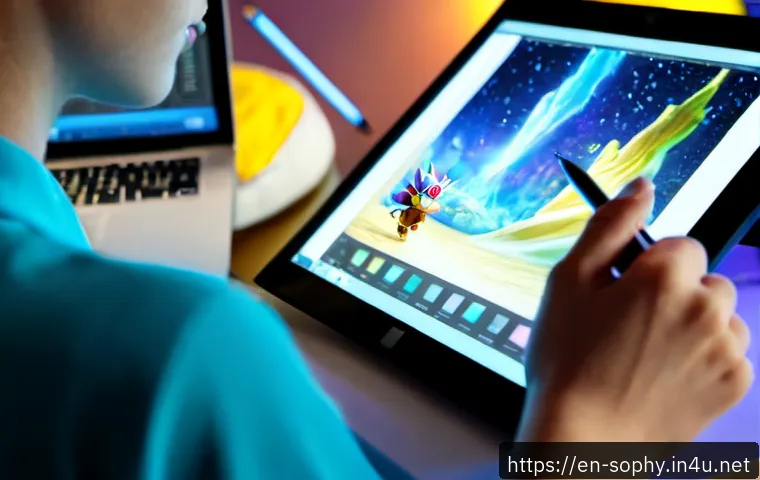
A free version can be enough for short creative projects, while a subscription may make sense for families or educators who need broader export and editing options.
Before paying, review recurring charges, in-app purchases, privacy permissions, and account requirements. For character-inspired work, original stories and designs are the safest starting point.
At a Glance
- Verify official status first: do not assume that an app using Sophy Ruby-related wording is licensed or official.
- Compare the practical basics: free access, subscription terms, compatible devices, parental settings, and export options.
- Keep projects original: create new characters and stories instead of relying on copyrighted clips, logos, music, or downloaded assets.
| Decision Factor | What to Check | Why It Matters |
|---|---|---|
| Free version or trial | Feature limits, export restrictions, account requirements, and what happens after the trial | Helps avoid paying for an app that cannot complete the intended project |
| Paid subscription | Recurring billing, family or classroom access, and whether advanced tools are actually needed | Shows whether ongoing cost matches how often the tool will be used |
| Device compatibility | Supported phones, tablets, computers, browsers, storage needs, and input tools | A simple interface is less useful if it does not work well on the available device |
| Parental settings and privacy | Permissions, child accounts, sharing controls, ads, in-app purchases, and data settings | Important for child-friendly creative apps used at home or in class |
| Export options | Whether projects can be saved, shared privately, or exported in a useful video format | Determines whether the finished animation can be shown or reused as planned |
Is There an Official Tool for Creating Sophy Ruby–Related Animation?
An official Sophy Ruby animation tool, licensed editor, or creator platform should be verified before any download or subscription. Availability, English-language support, device access, and regional listings can change. A search result, an app title, or a character image does not by itself confirm a product is official.
How to identify official apps, licensed products, and unofficial look-alikes
Look for clear publisher information, licensing language, and consistent branding on an official rights-holder or authorized product page. Check whether the store listing identifies the developer and explains the app’s purpose. Be cautious with apps that use familiar character names but provide vague ownership details, copied-looking artwork, or unclear contact information.
If an app claims to offer character assets, templates, or animation packs, check whether it explains where those assets come from. A general animation tool can still be useful, but it should not be presented as an official Sophy Ruby product unless that status is clearly confirmed.
What to check before downloading, subscribing, or sharing personal data
Read the app’s privacy settings, permission requests, account rules, and payment terms before installing it on a child’s device. Consider whether the app asks for a camera, microphone, photo library, location, or public profile when those features are not needed for a simple animation project.
For a subscription-based animation app, confirm how billing works and where cancellation details are shown. If the tool offers a free trial, review what features are included during the trial and whether a payment method is required. Official guidance and full plan conditions should be checked on the relevant product page before purchase.
Compare Beginner Animation Apps Before You Pay
The best beginner animation software is not always the one with the longest feature list. For young creators, a clear workspace, easy drawing tools, simple timeline controls, and safe sharing settings may matter more than professional effects.
Free version versus subscription: what features usually matter
A free animation app may be enough for a short home project, a basic flipbook-style clip, or an introductory classroom activity. It can also help a child decide whether animation feels enjoyable before a family commits to a paid plan.
A paid subscription may be worth considering when the user needs more editing control, more project storage, stronger export options, or access across several devices. However, avoid treating a paid plan as automatically better. First identify the exact feature that the free version cannot provide, such as a needed export method or a classroom workflow.
Device support, drawing tools, templates, audio, and export quality
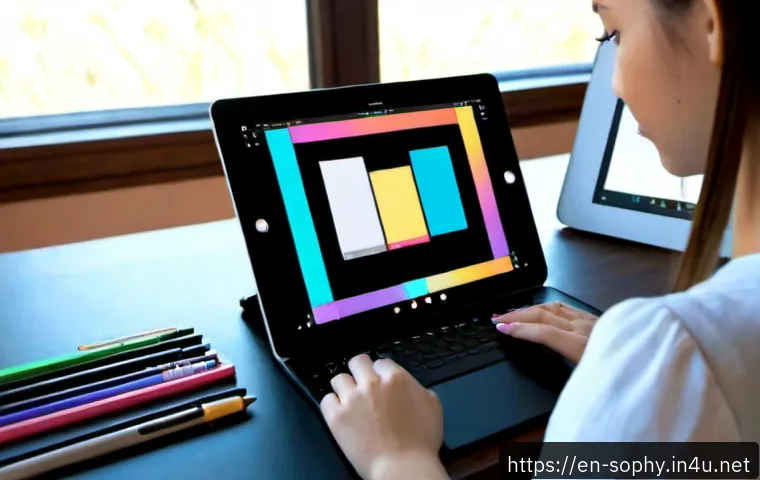
Start with the device already available. Tablet-based tools may feel natural for drawing, while browser or desktop software may be easier for organizing scenes and working with a keyboard. Check whether the app supports touch drawing, imported original artwork, basic scene editing, voice recording, or simple audio controls.
Templates can reduce frustration, but they should not force a child into copying branded characters. Look for flexible backgrounds, simple shapes, blank scenes, and reusable original elements. If sharing is part of the plan, review the available export options and whether the project can be kept private.
A practical comparison table for families and educators
Use the table above as a short checklist rather than choosing based on ratings alone. Families may prioritize parental controls and low-pressure learning. Educators may need multiple-user access, clear privacy information, and a workflow that lets students finish a short project within available class time. A beginner creating videos may place more weight on editing and export controls.
Create a Simple Character-Inspired Animation Project Safely
A character-inspired project can be creative without reproducing an existing show’s material. The simplest approach is to use the general feeling of a colorful magical adventure as inspiration while building a new world, new names, and new visual details.
Start with an original story, setting, and character design
Begin with one original character, one setting, and one small problem to solve. For example, a young creator can design a hero who finds a missing color in an imaginary town. This keeps the project manageable and gives the child ownership of the idea.
Encourage choices that make the character distinct: different colors, personality traits, clothing, abilities, and story goals. Avoid copying recognizable names, symbols, logos, or specific character designs from Sophy Ruby or another animated property.
Use simple scenes, short clips, and age-appropriate editing tools
Short scenes are easier to finish. A project can use a beginning, a small action, and an ending rather than a long episode. Simple tools such as frame-by-frame drawing, moving shapes, text captions, and voice narration are often enough for a satisfying first animation.
For younger users, keep the number of controls low. A tool that lets them duplicate a scene, adjust a drawing, and preview the result may be more useful than advanced animation software with a steep learning curve.
Avoid using copyrighted clips, music, logos, or downloadable assets without permission
Do not assume that a clip, soundtrack, image search result, or downloadable character pack is free to reuse. This is especially important when a finished video may be posted publicly. Use original drawings, self-recorded narration, and assets that the creator is allowed to use. When the rules for an asset are unclear, choose a different original option.

Common Mistakes When Choosing Kids’ Animation Software
A careful comparison can prevent unnecessary subscriptions and disappointing first projects. The common problems are usually not technical; they are mismatches between the app, the child’s experience level, and the family’s expectations.
Paying before checking trial limits and recurring charges
Do not select a plan just because a free trial is available. Check what the trial permits, whether exports are limited, and what subscription terms apply afterward. A free tool may be the better value if the goal is only one short animation.
Overlooking parental controls, privacy permissions, and account requirements
Review whether the software requires an account, allows public sharing by default, includes purchases inside the app, or requests permissions unrelated to animation. For children, choose settings that minimize unnecessary sharing and let an adult review projects before they are posted.
Choosing advanced software that creates frustration for beginners
Complex professional-style tools may offer impressive controls, but they can slow down a first-time creator. If a child needs frequent help just to start a scene, the software may not be the right fit. Start simple, then move to a more capable subscription plan only when the creator has a clear reason to need it.
Which Type of Animation Tool Fits Your Situation?
Best fit for a child making short animations at home
Choose a simple app if the goal is drawing a few scenes, adding basic movement, and showing the result to family. Prioritize a child-friendly interface, privacy controls, manageable permissions, and a free option or clearly explained purchase terms.
Best fit for a classroom or after-school creative activity
For group use, favor software with an easy learning curve and a repeatable activity format. The class should be able to create a short original scene without requiring every student to sign up for public sharing. Before adopting a tool, review its account structure, privacy documentation, device needs, and whether projects can be saved appropriately.
Best fit for a beginner who wants higher-quality video exports
Consider a paid plan if a beginner has already completed simple projects and needs better export controls, additional editing tools, or a more organized workflow. Compare subscription terms carefully and make sure those added features support a real project goal rather than a vague promise of “professional” results.
Selection Criteria and Comparison Summary
Make the final choice using a short checklist: official status for branded claims, age suitability, privacy and parental controls, device compatibility, export needs, and recurring subscription value. Choose a simple app if the project is short, private, and focused on learning the basics. Consider a paid plan if the free version blocks a feature you genuinely need, such as a preferred export workflow or expanded creative controls. Avoid paid software if its trial limits, account rules, or in-app purchase structure are unclear. For official guidance, plan details, and current conditions, check the relevant product page before subscribing.
Final Thoughts
A Sophy Ruby-related search is a good reason to pause before downloading the first app that appears. Confirm whether an official tool exists, then compare general animation software on the features that affect daily use. A safe, simple tool can be more valuable than a complicated subscription for a child’s first creative project. Original stories and careful sharing settings help keep the experience positive.
Useful Things to Know
1. An official-looking name does not confirm licensing.
2. A free version is useful for testing the learning curve before paying.
3. Privacy, permissions, and sharing settings deserve the same attention as drawing tools.
4. Short original scenes are often the easiest way for beginners to complete an animation.
Important Notes
Current availability of an official Sophy Ruby animation app, English-language support, prices, subscription tiers, supported devices, and regional access should be verified directly before making a decision. Rules concerning fan-created videos, character assets, and public uploads can vary, so do not assume that branded material may be reused without permission.
Frequently Asked Questions
Q1. Is there an official Sophy Ruby animation app available in English?
A1. This should be verified through official rights-holder information or clearly identified authorized product listings. Do not rely only on an app title, search result, or character artwork to confirm official status.
Q2. What is the safest animation software for children and beginners?
A2. Choose software with a simple interface, understandable privacy settings, appropriate parental controls, limited unnecessary permissions, and sharing options that an adult can review. The safest fit depends on the child’s age, device, and intended use.
Q3. Are paid animation subscriptions worth it for short kids’ creative projects?
A3. Often, a free tool is enough for a short project. Consider a paid subscription only when it provides a specific needed feature, such as useful export options or additional editing controls, and after checking recurring billing and plan conditions.