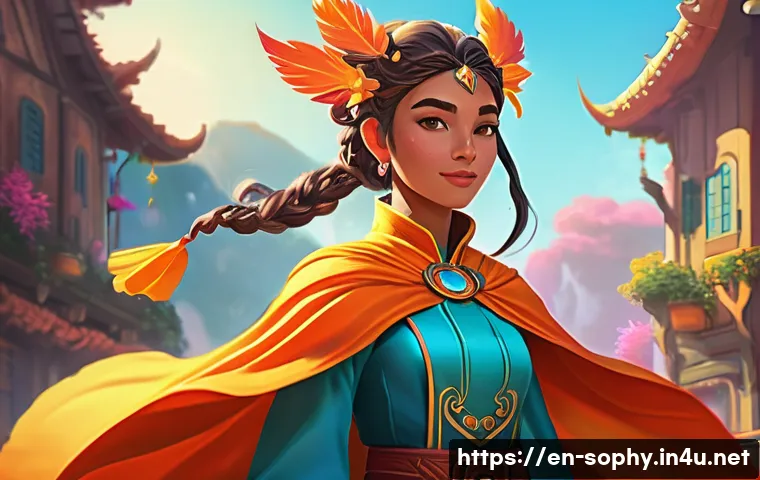
Fan art competitions have become a vibrant way for creative communities to celebrate their favorite personalities and characters, and the Sofi Ruby Fan Art Contest is no exception.
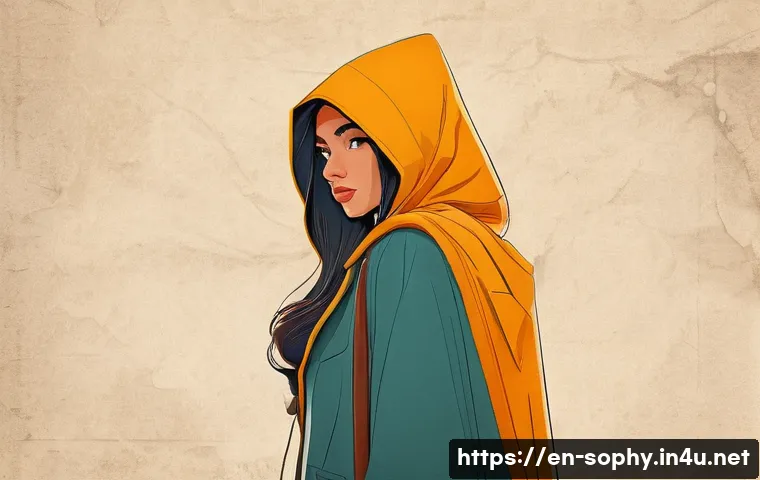
It’s a thrilling opportunity for artists and fans alike to showcase their talent and passion while connecting with a wider audience. Whether you’re a seasoned illustrator or just starting out, this contest offers a unique platform to express your admiration in a visually stunning way.
Plus, with the growing popularity of digital art, the possibilities for creativity are practically endless. If you’ve ever wondered how these contests work or want to get inspired, you’re in the right place.
Let’s dive in and explore all the exciting details ahead!
Unleashing Your Creativity: How to Approach Fan Art Competitions
Finding Your Unique Artistic Voice
When stepping into a fan art competition, the first thing I always remind myself is to tap into what makes my style unique. It’s tempting to mimic popular trends or the dominant styles seen in the community, but what really stands out is authenticity.
I remember joining contests where my personal flair—a blend of sketchy lines and vibrant colors—made my pieces feel alive and distinct. Whether you lean toward hyper-realistic portraits or whimsical cartoon versions, embracing your strengths helps your work resonate more deeply.
It’s not just about replicating a character; it’s about interpreting them through your own lens, which gives the judges and the audience something fresh to admire.
Choosing the Right Medium and Tools
Digital art has taken fan art contests to a whole new level. Personally, switching from traditional pencil and paper to digital tools like Procreate or Adobe Photoshop opened up endless possibilities.
You can experiment with layers, textures, and effects that are impossible on paper. However, traditional mediums still hold immense charm, and sometimes a hand-drawn piece can capture a raw emotion that digital art lacks.
The key is to choose the medium that best expresses your vision while considering the contest’s submission guidelines. I’ve seen winners who combined both, scanning sketches and enhancing them digitally, which struck a perfect balance between craftsmanship and polish.
Balancing Detail and Impact
One of the toughest parts is deciding how much detail to pack into your artwork. I’ve learned that while detailed backgrounds and intricate shading can impress, simplicity often carries a stronger emotional punch.
It’s about striking a balance—your piece should grab attention even at a glance but reward viewers who take a closer look. For instance, focusing on facial expressions or iconic elements of the character can create an instant connection.
In contests like these, the artwork needs to tell a story or evoke feelings quickly, especially when scrolling through dozens of entries.
Understanding Contest Rules and Submission Tips
Reading Between the Lines of Guidelines
Every contest has its own set of rules, and I can’t stress enough how crucial it is to read them carefully before starting your work. Sometimes, the restrictions aren’t just about content but also file size, resolution, or even color mode.
I’ve encountered situations where my digital file was rejected simply because it exceeded the maximum size or was submitted in the wrong format. Following rules might seem tedious, but it shows professionalism and respect for the contest organizers.
Plus, it prevents the heartbreak of disqualification after hours of hard work.
Crafting an Eye-Catching Submission
Submitting your artwork isn’t just about uploading a file; it’s your chance to make a lasting impression. I always take time to write a compelling description or artist’s statement that explains my inspiration and the techniques I used.
This personal touch can elevate your entry by giving judges insight into your creative process and emotional connection to the character. Also, naming your file clearly with your name and artwork title avoids confusion and adds a polished touch.
Remember, presentation counts as much as the art itself.
Timing Your Entry for Maximum Exposure
Submitting early can be a double-edged sword. On one hand, early entries get more time to gather community votes or feedback, which can be a huge advantage.
On the other hand, rushing might sacrifice quality. I’ve found a sweet spot by planning my workflow well in advance so I can submit a refined piece early enough without last-minute panic.
Additionally, keeping an eye on the contest timeline and any announcements ensures you don’t miss updates or bonus rounds that could boost your chances.
Building Community Connections Through Fan Art
Engaging with Fellow Fans and Artists
One of the most rewarding aspects of fan art competitions is the community spirit. When I first entered, I was blown away by how supportive and encouraging other artists were.
Sharing tips, commenting on each other’s work, or even collaborating on projects made the experience much richer. Engaging on social media platforms or dedicated forums related to the contest can open doors to friendships and networking opportunities that extend beyond the competition itself.
It’s a reminder that fan art is not just about the art but also about shared passion.
Learning from Feedback and Critiques
Receiving critiques can be intimidating, but it’s an invaluable part of growth. I used to shy away from comments, fearing negative judgment, but over time I realized constructive criticism helped me improve dramatically.
Many contests encourage peer reviews or have official judging panels that provide detailed feedback. Listening with an open mind and applying suggestions can refine your skills and boost your confidence.
Plus, positive feedback from fans is a huge morale booster and a sign that your art truly connects.
Leveraging Exposure for Future Opportunities
Participating in fan art contests often leads to unexpected opportunities. After sharing my entries, I was approached for commissions and collaborations that wouldn’t have happened otherwise.
Many artists have turned their contest success into freelance gigs, Patreon supporters, or even careers in gaming and animation studios. Treat each contest like a stepping stone, and use your growing portfolio and network to pursue your artistic goals.
The visibility gained is often worth more than the prizes themselves.
Maximizing Digital Platforms for Fan Art Promotion
Choosing the Best Social Media Channels
Not all platforms are created equal when it comes to fan art promotion. I found Instagram and Twitter to be fantastic for quick shares and community engagement, while platforms like DeviantArt or ArtStation cater more to serious portfolios and professional connections.
TikTok’s rise has also introduced a dynamic way to showcase time-lapse videos of your creation process, which can captivate viewers and increase followers.
Tailoring your content to each platform’s strengths can significantly widen your reach and impact.
Optimizing Posts for Greater Engagement
I’ve noticed that posts with behind-the-scenes stories or short anecdotes about the character tend to perform better. Using relevant hashtags, tagging official accounts, and engaging with comments boosts visibility.
Timing your posts when your audience is most active—usually evenings or weekends—also helps. Don’t hesitate to share your fan art multiple times with different angles or close-ups to keep the momentum going.
Consistency and authenticity go a long way in building a loyal fan base.
Collaborating with Influencers and Fan Pages
Connecting with popular fan pages or influencers in the fandom can exponentially increase your exposure. I once collaborated with a fan page that shared my art to thousands of followers, which led to a spike in my own profile visits and new followers.
Reach out respectfully with a portfolio link or ask if they’re open to sharing contest entries. Sometimes, these partnerships can lead to features, interviews, or even paid promotions, all of which help amplify your creative voice.
Incorporating Fan Art into Your Creative Career
Using Contests as Portfolio Builders
Every contest entry is a chance to build a diverse and impressive portfolio. I recommend keeping high-resolution copies of your work and organizing them by theme or style.
When applying for art-related jobs or freelance gigs, showcasing your fan art can demonstrate your ability to capture likenesses, work within guidelines, and engage with popular culture.
Employers often appreciate this versatility and passion, especially in entertainment industries.
Monetizing Your Fan Art Ethically
Navigating the fine line between fan art and monetization requires care. I’ve found success by offering commissioned pieces inspired by fan art styles or creating original works with similar techniques.
Selling prints or merchandise can work if done with respect to copyright laws and contest rules. Some platforms offer licensing options for fan art, but always check terms to avoid legal issues.
Transparency with your audience about what’s official and what’s fan-made builds trust.
Expanding Skill Sets Through Fan Art Challenges
Participating regularly in fan art contests pushes your boundaries. I’ve tackled new styles, experimented with animation, and even tried 3D modeling as a result of contest themes.
These challenges keep your skills fresh and relevant, which is crucial in the fast-evolving creative industry. Plus, the feedback and deadlines mimic professional environments, preparing you for future client work or collaborations.
Essential Timeline and Prize Details of Fan Art Contests
Typical Contest Duration and Milestones
Fan art contests usually span anywhere from two weeks to a couple of months. This allows artists enough time to conceptualize, create, and polish their work without feeling rushed.
Key milestones include the submission deadline, public voting phase (if applicable), and announcement of winners. I always mark these dates on my calendar and set personal progress checkpoints to stay on track and avoid last-minute stress.
Common Types of Prizes and Rewards
Prizes vary widely, from cash awards and gift cards to exclusive merchandise or exposure opportunities like gallery features. Some contests also offer software licenses, art supplies, or mentorship sessions with professionals.
While winning is exciting, the real reward often lies in the recognition and experience gained. I’ve cherished contests where honorable mentions or audience choice awards gave me motivation to keep improving.
Comparison of Popular Fan Art Contest Features
| Contest Aspect | Typical Range | Impact on Participants |
|---|---|---|
| Submission Period | 2-8 weeks | Allows time for creativity without rush |
| File Format Requirements | JPEG, PNG, TIFF | Ensures compatibility and quality |
| Prize Types | Cash, merchandise, exposure | Motivates participation and rewards talent |
| Judging Criteria | Creativity, technique, relevance | Guides artists on what to focus |
| Community Voting | Sometimes included | Increases engagement and visibility |
Wrapping Up
Fan art competitions are a fantastic way to grow creatively, connect with a passionate community, and showcase your unique artistic voice. Approaching these contests with authenticity and preparation can truly set your work apart. Remember, every entry is an opportunity to learn, share, and open doors for your artistic journey. So dive in, enjoy the process, and let your creativity shine.
Useful Tips to Keep in Mind
1. Always stay true to your artistic style—originality catches the eye more than imitation.
2. Choose the medium that best expresses your vision and fits contest rules for the best results.
3. Balance detail with impact; sometimes less is more when creating an emotional connection.
4. Read and follow submission guidelines carefully to avoid disqualification and show professionalism.
5. Engage with the fan art community to gain feedback, support, and potential opportunities.
Key Takeaways
Understanding contest rules and deadlines is crucial to submitting polished work on time. Crafting a thoughtful presentation, including an artist’s statement, enhances your entry’s appeal. Leveraging social media strategically can boost your exposure and help build a loyal following. Lastly, treat fan art contests not just as competitions, but as valuable experiences that sharpen your skills and expand your creative network.
Frequently Asked Questions (FAQ) 📖
Q: Who is eligible to participate in the Sofi Ruby Fan
A: rt Contest? A1: The contest is open to artists of all skill levels, from beginners to professionals. Whether you’re someone who just started doodling or a seasoned illustrator with years of experience, you’re welcome to join.
The main requirement is to create original fan art inspired by Sofi Ruby, so make sure your submission reflects your unique style and admiration for the character or personality.
It’s a fantastic way to challenge yourself and gain exposure within a passionate community.
Q: What types of art are accepted in the contest?
A: The Sofi Ruby Fan Art Contest embraces a wide range of artistic mediums, with a strong focus on digital art due to its accessibility and versatility. However, traditional art forms like sketches, paintings, and mixed media are also often accepted, as long as the final submission can be submitted digitally—usually via a photo or scan.
This flexibility allows artists to express their creativity in whatever medium they feel most comfortable with, making the contest inclusive and inspiring.
Q: How are winners selected and what kind of prizes can participants expect?
A: Winners are typically chosen based on creativity, originality, and how well the artwork captures the essence of Sofi Ruby. Judging panels often include artists, community leaders, and sometimes even Sofi Ruby herself or her team.
Prizes can range from cash rewards, digital art tools, exclusive merchandise, to opportunities for featuring the winning artwork on official platforms.
From my experience, these contests not only offer tangible rewards but also invaluable recognition that can boost your art career or hobby significantly.