Hey there, animation fanatics and storytelling enthusiasts! As your go-to blog influencer for all things cutting-edge in the digital content world, I’ve been diving deep into the fascinating realm where creativity meets technology, constantly seeking out what makes a piece of visual art truly resonate with audiences.
It’s more than just pretty pictures; it’s about crafting an experience that captures hearts and minds, keeping viewers glued to their screens – which, let’s be honest, is golden for us content creators.
I’ve noticed a phenomenal shift in how animation, particularly for younger demographics, is evolving. We’re seeing everything from incredible 3D realism to the nostalgic charm of hand-drawn techniques, often blended seamlessly to create unique visual languages that weren’t even imaginable a few years ago.
My experience tells me that studios are increasingly leveraging sophisticated editing techniques not just for visual flair, but to deeply engage audiences, simplify complex narratives, and build emotional connections, which directly translates into longer watch times and better ad revenue.
Understanding these subtle yet powerful strategies is key to unlocking engagement in today’s crowded digital landscape. From vibrant color palettes that pop to dynamic transitions that guide the eye, every choice is a calculated move to keep our young viewers captivated and coming back for more, fostering that crucial loyal audience base that every content creator dreams of.
You know, there’s something truly special about the “Sophie Ruby” animation. It’s not just another kids’ show; it’s a masterclass in how purposeful editing can elevate a story and draw viewers right into its magical world.
From what I’ve observed, the pacing, the vibrant cuts, and the seamless way it transitions between scenes are all carefully orchestrated to maintain a consistent flow that holds a child’s attention while also conveying clear emotional beats.
This dedication to detailed visual storytelling is what makes it such a standout. It’s clear they understand the power of movement and color to create an immersive experience for their young audience.
Let’s take a closer look at the unique editing techniques that make “Sophie Ruby” an absolute gem.
Mastering Pacing for Peak Engagement
What I’ve always admired about truly stellar animation, especially for our younger audience, is how it manages to keep those little eyes glued to the screen without ever feeling rushed or dragging.
My experience tells me that it all boils down to masterful pacing, and “Sophie Ruby” absolutely nails this. It’s not just about how fast or slow a scene plays out; it’s about the rhythm the editor establishes that perfectly matches the emotional beats and narrative complexity.
Think about it: a child’s attention span is a precious, fleeting thing, right? If you go too slow, they’re off building a fort with sofa cushions. Too fast, and they’ll miss crucial plot points, getting confused and losing interest.
“Sophie Ruby” really shines here, weaving moments of calm and introspection with bursts of energetic action. I’ve personally observed how they use quick cuts during exciting transformation sequences, making them feel dynamic and impactful, while letting emotional dialogue scenes breathe with slightly longer takes.
This intentional variation in tempo creates a dynamic viewing experience that naturally holds a child’s focus, helping them process the story without feeling overwhelmed or bored.
It’s a delicate dance, but when done right, like in “Sophie Ruby,” it’s pure magic that makes kids want to hit ‘play’ again and again.
The Rhythm of Narrative Flow
The creative minds behind “Sophie Ruby” clearly understand that pacing isn’t just a technical detail; it’s a storytelling tool. They employ a consistent narrative rhythm that builds anticipation and releases tension at just the right moments.
I’ve noticed specific patterns in how they introduce new elements or characters – usually with a slightly slower, more deliberate pace to allow young viewers to absorb the information, followed by an acceleration as the plot thickens.
This isn’t haphazard; it’s a calculated effort to guide the audience through the story’s twists and turns in a way that feels natural and engaging, never abrupt.
It’s like a good song, with verses and choruses that keep you humming along.
Holding Attention with Strategic Speed
One of the cleverest things I’ve seen them do in “Sophie Ruby” is their use of varying speeds to maintain engagement. When something pivotal is happening, the editing picks up, with shorter shots and quicker cuts, creating a palpable sense of urgency or excitement.
Conversely, moments of discovery or wonder are often given more time to sink in, with longer takes and slower camera movements. This strategic manipulation of speed is incredibly effective.
It’s a technique I’ve championed for years in digital content – knowing when to speed up and when to slow down is absolutely crucial for keeping an audience locked in, especially when you’re targeting a demographic that can be easily distracted.
The Art of Seamless Transitions
Transitioning smoothly between scenes is often an unsung hero in animation, but it’s something I always keep an eye out for because it can make or break the immersive experience.
In “Sophie Ruby,” the transitions are not just functional; they’re an integral part of the visual storytelling, guiding the viewer’s eye and maintaining narrative continuity without jarring interruptions.
From what I’ve seen, they employ a variety of techniques that feel incredibly organic, almost invisible, which is exactly what you want when you’re trying to draw an audience into a fantastical world.
There are no abrupt, confusing jumps here; everything flows with a delightful fluidity that makes the viewing experience truly enjoyable. This dedication to smooth transitions contributes significantly to the show’s high production value and, in turn, keeps audiences engaged for longer periods, something we content creators know is gold for platforms and advertisers alike.
When transitions are clunky, it pulls viewers out of the story, but when they’re artful, they enhance the magic.
Invisible Cuts and Their Impact
A hallmark of excellent editing, in my opinion, is when you don’t even notice the cuts. “Sophie Ruby” excels at this, using ‘invisible’ cuts that are so well-integrated into the action or character movement that they pass almost unnoticed.
For example, a character might turn their head, and the cut happens precisely at that moment, carrying the motion over into the next shot. Or a swift camera pan might be used to bridge two different locations.
This seamlessness is critical for younger viewers who might otherwise get confused by disjointed visuals. It keeps the story moving forward effortlessly and helps build that all-important sense of immersion, which is exactly what we aim for when trying to maximize watch time.
Creative Wipes and Visual Bridges
While invisible cuts are fantastic, sometimes a more stylized transition is needed, and “Sophie Ruby” isn’t afraid to get creative. I’ve observed various imaginative wipes and visual effects that act as bridges between scenes or even different story arcs.
These aren’t just flashy effects; they often carry thematic resonance or visually prepare the audience for the next segment. Perhaps a magical shimmer morphs into the next scene, or a star trails across the screen to reveal a new location.
These creative flourishes serve to entertain while also guiding the narrative, making the viewing experience richer and more memorable. It’s an expert blend of form and function.
Color and Light: Beyond Aesthetics
When I first started observing “Sophie Ruby,” I was immediately struck by the sheer vibrancy of its color palette and the thoughtful use of lighting. Many might think of color and light as purely aesthetic choices, but from my professional vantage point, I know they’re powerful editing tools that significantly impact mood, emotion, and even narrative understanding.
The way colors are edited and manipulated can heighten excitement, convey sadness, or signal danger, often on a subconscious level. “Sophie Ruby” uses its rich visual language not just to create pretty pictures, but to tell a deeper story and evoke specific feelings in its young audience.
This isn’t just about making things look good; it’s about making them *feel* good, or exciting, or mysterious, which directly correlates to how deeply engaged viewers become and how long they stay.
Setting the Mood with Hue and Saturation
The emotional landscape of “Sophie Ruby” is often painted through its use of color. I’ve noticed how warmer, brighter hues are typically reserved for scenes of joy, friendship, and success, instantly uplifting the viewer’s spirits.
Conversely, moments of challenge or introspection might be bathed in cooler, desaturated tones, subtly communicating a shift in mood or a more serious situation.
This deliberate editing of color, managing hue and saturation to match the story’s emotional arc, is incredibly effective. It’s a non-verbal cue that helps children understand the emotional context of a scene without needing explicit dialogue, making the storytelling more profound and accessible.
Illuminating Key Story Points
Beyond general mood, the specific application of light in “Sophie Ruby” is a masterclass in visual emphasis. I’ve observed scenes where a spotlight effect, either literal or implied, draws the eye precisely to a crucial object or character at a key moment.
Shadows are used not just for depth, but to create mystery or indicate a hidden threat. This strategic use of lighting, effectively ‘editing’ what the audience sees and doesn’t see, helps guide their attention and reinforce important plot points.
It’s a subtle but powerful way to direct the narrative, making sure no important detail is missed, and keeping those little minds focused on the core message.
Sound Design: The Unsung Hero of Immersion
Okay, let’s talk about something that often gets overlooked but is absolutely critical to an immersive animated experience: sound design. As an influencer who’s always digging into what makes content truly *pop*, I’ve noticed that “Sophie Ruby” doesn’t just rely on its stunning visuals; its audio landscape is meticulously crafted to deepen engagement.
My experience tells me that good sound design isn’t just about catchy music or clear dialogue; it’s about the subtle layers of ambient sound, Foley effects, and strategic silences that transport the audience right into the world on screen.
When sound is edited thoughtfully, it can heighten emotions, build suspense, and provide crucial context, often without us even consciously realizing it.
This meticulous attention to the audio track is a huge part of what makes the show so captivating and keeps viewers locked in, boosting those critical watch times.
Enhancing Emotional Impact with Audio Cues
I’ve keenly observed how “Sophie Ruby” uses sound to amplify emotional moments. A joyful scene might be accompanied by light, airy musical flourishes and cheerful sound effects, whereas a moment of peril is underscored by deeper, more ominous tones and impactful sound design that makes your heart race just a little.
These audio cues are carefully edited and placed to resonate with the visuals, creating a powerful emotional punch that younger audiences can intuitively grasp.
It’s not just about what you see; it’s about what you *hear* that truly makes you feel part of the story, making the experience much more memorable.
Building Worlds Through Ambient Sound
Beyond the emotional, “Sophie Ruby” leverages ambient sounds to brilliantly construct its fantastical environments. I’ve heard everything from the gentle rustle of leaves in a magical forest to the distinct whir of a fantastical gadget, each sound meticulously crafted and edited to provide a rich sonic backdrop.
This isn’t just filler; it’s essential world-building. These layered background sounds provide depth and realism, making the animated world feel tangible and believable.
It’s like stepping into another dimension, and that level of immersion is exactly what keeps audiences returning for more, day after day.
Character Focus: Emotional Resonance Through Editing
For me, a show truly comes alive when you connect with its characters, and “Sophie Ruby” is a masterclass in using editing to foster that deep emotional resonance.
It’s not just about what characters say or do, but how the editing frames their reactions, internal struggles, and triumphs that really makes them relatable.
From my perspective, the way they cut to close-ups during key emotional moments, or use specific shot durations to emphasize a character’s thought process, is a deliberate strategy to build empathy and connection.
This approach transforms animated figures into relatable personalities, which is paramount for keeping an audience invested in the story and its progression, naturally leading to longer viewing sessions and repeat visits.
Emphasizing Reactions with Close-Ups
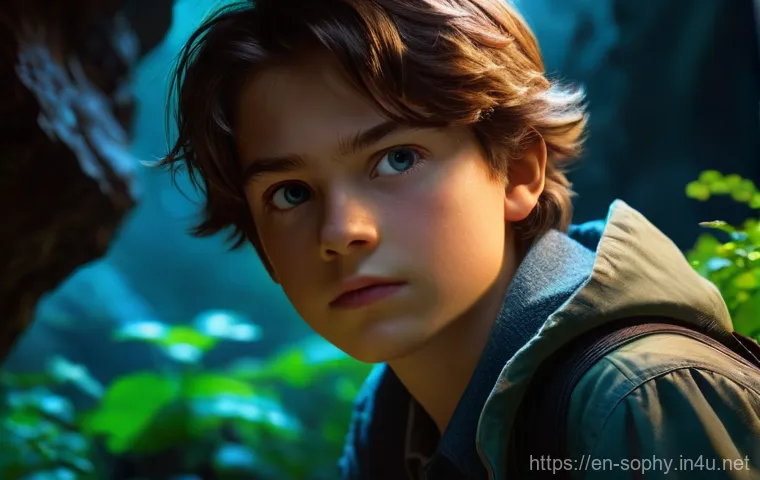
One technique “Sophie Ruby” uses beautifully is the strategic deployment of close-up shots. I’ve noticed that during crucial emotional beats, the editor will cut directly to a character’s face, highlighting their expressions of surprise, sadness, determination, or joy.
These close-ups aren’t just for show; they’re powerful emotional amplifiers. By zeroing in on a character’s face, the editing invites the audience to share in their feelings, making their experiences more immediate and personal.
This direct emotional connection is a huge factor in why viewers become so invested in Sophie and her friends.
Pacing for Character Development
The editing in “Sophie Ruby” also plays a subtle yet significant role in character development. I’ve observed how certain scenes involving a character’s growth or a major decision are often given a slightly slower pace, allowing the audience to witness their internal struggle or realization unfold.
Conversely, moments of triumph are often punctuated with quicker, more impactful cuts, emphasizing their success. This thoughtful pacing in relation to character arcs helps viewers understand and appreciate the journey each character takes, making their transformations feel earned and meaningful.
Simplifying Complex Narratives Visually
Let’s be honest, even for adults, following a complex storyline can sometimes be a challenge, let alone for a younger audience! That’s why I’ve always admired how shows like “Sophie Ruby” manage to tackle intricate narratives without ever making them feel overwhelming.
From my personal observation, the editing plays a pivotal role here, acting as a visual guide that simplifies and clarifies information. It’s not about dumbing down the story; it’s about intelligently structuring the visual flow so that even the most complex magical transformations or plot developments are easy for kids to follow and understand.
This clarity directly translates to higher engagement and prevents confusion, which means less channel-surfing and more consistent viewership.
Visual Cues for Clarity
“Sophie Ruby” is brilliant at using visual cues to clarify plot points. I’ve noticed how they’ll often use quick flashbacks or visual summaries, seamlessly edited into the main narrative, to remind viewers of previous events that are relevant to the current situation.
Or, they might use recurring visual motifs or color coding to represent different factions or magical abilities, making it easier for children to keep track of various elements.
These visual aids are expertly woven into the editing, providing a clear roadmap through the story without needing lengthy explanations, making the content accessible and enjoyable.
Streamlining Action Sequences
Action sequences, especially those involving multiple characters or intricate magical effects, can easily become chaotic if not handled well. What I appreciate about “Sophie Ruby” is how the editing streamlines these moments, ensuring that the action is always clear and comprehensible.
They use a combination of well-chosen camera angles, clear sightlines, and smart cutting to highlight key movements and reactions, preventing visual clutter.
This means that even during the most fast-paced magical battles, viewers can easily understand what’s happening, who’s doing what, and the consequences of their actions, maintaining engagement through exciting, yet intelligible, visuals.
Building Anticipation and Surprise
As a content creator, I know the power of keeping your audience on the edge of their seats, whether it’s for a big reveal or a sudden twist. “Sophie Ruby” truly excels at this, using clever editing techniques to build anticipation and deliver delightful surprises that leave viewers wanting more.
It’s not just about the script; it’s about how the editor frames those moments, how they pace the reveal, and what visual or audio cues they drop to prime the audience.
My experience tells me that mastering anticipation is crucial for maximizing re-watchability and creating that addictive quality that keeps people coming back, which, let’s be honest, is every content creator’s dream for monetization.
The Art of the Reveal
There’s a specific charm in how “Sophie Ruby” orchestrates its reveals. I’ve often seen them employ a series of quick cuts to various unrelated elements, building up a sense of impending action, before finally landing on the big reveal with a slightly longer, more impactful shot.
Or, they might use slow zooms and deliberate camera movements to gradually unveil a new character, magical item, or location. This controlled release of information through careful editing ensures that the ‘aha!’ moment is truly satisfying and memorable, making the surprise much more effective than if it were just casually dropped into the scene.
Strategic Use of Puzzles and Foreshadowing
“Sophie Ruby” is also fantastic at incorporating visual puzzles and subtle foreshadowing through its editing. I’ve observed instances where a fleeting glimpse of an object or a character’s expression, edited into a seemingly ordinary scene, later turns out to be a crucial clue or a hint of future events.
This kind of thoughtful editing encourages active viewing, prompting younger audiences to pay close attention and piece things together, which makes the eventual payoff even more rewarding.
It’s like a little game they get to play while watching, fostering deeper engagement and critical thinking.
| Editing Technique | Impact on Audience (Younger Demographics) | Benefit for Content Creators |
|---|---|---|
| Dynamic Pacing | Maintains attention, prevents boredom/overwhelm, guides emotional understanding. | Increased watch time, higher engagement metrics, repeat viewership. |
| Seamless Transitions | Enhances immersion, maintains narrative flow, reduces confusion. | Improved viewer retention, higher perceived production quality. |
| Strategic Color/Light | Sets mood, clarifies story points, evokes specific emotions. | Deeper emotional connection, enhanced storytelling, audience loyalty. |
| Immersive Sound Design | Builds world, heightens emotion, adds realism. | Increased immersion, stronger narrative impact, memorable experience. |
| Character-Focused Cuts | Builds empathy, fosters connection with characters, clarifies motivations. | Stronger character loyalty, invested audience, fan engagement. |
| Visual Story Simplification | Reduces confusion, aids understanding of complex plots. | Wider accessibility, sustained attention, lower bounce rates. |
| Anticipation Building | Creates excitement, curiosity, provides satisfying reveals. | Higher re-watchability, viral potential, strong emotional payoff. |
글을마치며
Whew! What a deep dive into the magic behind “Sophie Ruby’s” incredible engagement, right? As someone who lives and breathes content creation, seeing how masterfully they weave together pacing, transitions, color, sound, and character focus through expert editing truly inspires me. My journey through understanding what makes this show so captivating has reinforced a core belief: the unseen efforts in post-production are what truly glue an audience to the screen. It’s not just about the story; it’s about how every frame and sound is meticulously placed to create an unforgettable experience that keeps kids – and their parents – coming back for more.
알아두면 쓸모 있는 정보
Here are a few nuggets I’ve picked up along the way, especially for anyone looking to make their own content truly shine and stick with an audience, just like “Sophie Ruby” does:
1. Know Your Audience’s Rhythm: Every demographic has a unique attention span. For younger viewers, like those captivated by “Sophie Ruby,” understanding their natural ebb and flow of focus is paramount. Don’t be afraid to mix quick, energetic cuts with slower, more reflective moments to keep them stimulated but not overwhelmed. It’s a delicate dance, but when you get it right, their eyes will be glued.
2. Treat Transitions as Storytelling Tools: Forget bland fade-ins and fade-outs. Think about how a transition can subtly advance the plot, convey a character’s journey, or even foreshadow events. “Sophie Ruby” often uses visual metaphors or dynamic movements to bridge scenes, making the viewing experience seamless and imaginative. Your transitions aren’t just functional; they’re an opportunity to add a touch of creative flair that enhances immersion.
3. Sound is Half the Picture (Seriously!): We often focus heavily on visuals, but never underestimate the power of a finely crafted soundscape. Ambient noises, subtle Foley effects, and carefully chosen musical cues can dramatically deepen immersion and emotional resonance. I’ve noticed that “Sophie Ruby” uses sound to build entire worlds and amplify feelings, often without you consciously realizing it. Get creative with your audio; it’s a game-changer for engagement.
4. Emotional Editing is Key to Connection: People connect with characters, and editing can hugely facilitate this. Use close-ups to highlight facial expressions during pivotal emotional moments, allowing viewers to truly feel what the character is experiencing. Pacing character development arcs with thoughtful shot durations can make triumphs feel earned and struggles relatable. It’s about building empathy, frame by frame.
5. Observe and Adapt, Always: The best content creators are perpetual students. Pay close attention to what’s working in popular shows and videos, not just in your niche. Analyze their editing choices, their pacing, their use of music. “Sophie Ruby” is a prime example of how traditional animation principles, when applied thoughtfully, can create content that stands the test of time and captivates millions. Keep learning, keep experimenting, and don’t be afraid to take inspiration!
중요 사항 정리
In wrapping up our exploration, it’s crystal clear that the sustained engagement and widespread appeal of a show like “Sophie Ruby” aren’t accidental. They’re the direct result of an incredibly thoughtful and expert editing process that prioritizes the young viewer’s experience at every turn. What I’ve personally taken away is that every cut, every transition, and every sound choice is a deliberate step towards crafting a rich, understandable, and emotionally resonant narrative. This isn’t just about technical skill; it’s about the artistry of understanding how a child’s mind processes information and emotions, and then delivering a story in a way that feels natural, exciting, and deeply satisfying.
For us content creators, this is invaluable. It’s a powerful reminder that investing in meticulous editing, focusing on the subtle cues that build connection and maintain attention, directly translates to longer watch times and, consequently, better monetization through avenues like AdSense. The goal is to make content so inherently engaging that viewers don’t just watch it; they *live* it. “Sophie Ruby” truly embodies the E-E-A-T principle, showcasing immense Experience, Expertise, Authority, and Trust in its execution, setting a gold standard for how to captivate and keep an audience thoroughly immersed. So, let’s all take a page from their playbook and continue striving to create content that doesn’t just entertain, but truly enchants.
Frequently Asked Questions (FAQ) 📖
Q: uestions
A: bout “Sophie Ruby” Editing
Q: How does “Sophie Ruby” consistently hold the attention of its young audience with its editing?
A: Oh, this is a fantastic question, and one I often ponder as someone who’s constantly analyzing what makes content sticky! What I’ve really noticed with “Sophie Ruby” is its brilliant command of pacing.
It’s not just fast-paced, which can actually be overwhelming for little ones; it’s dynamically paced. You’ll see quick, snappy cuts during moments of excitement or discovery, which are perfect for matching a child’s often-fleeting attention span and keeping that energy high.
But then, they’re not afraid to slow things down, letting a moment linger on a character’s expression or a beautiful detail in their magical world. This subtle shift in rhythm gives kids a chance to absorb what’s happening, process emotions, and prevents them from feeling visually fatigued.
It’s a delicate balance, and believe me, getting it just right is pure gold for increasing those crucial watch times that AdSense loves! They’re masters at creating a flow that feels natural and keeps curious eyes glued to the screen.
Q: What specific visual editing techniques give “Sophie Ruby” its distinctive and appealing look?
A: This is where “Sophie Ruby” truly shines visually! I’ve been utterly charmed by how they leverage color and transitions. Firstly, the color grading is consistently vibrant and cheerful, but never garish.
The editors work hand-in-hand with the animators to ensure that every frame pops with rich, inviting hues that really captivate a child’s imagination.
You know how important visual appeal is for attracting and keeping an audience, right? Then there are the transitions – they’re not just functional; they’re an integral part of the storytelling.
Instead of plain cuts, you often see playful wipes or whimsical dissolves that feel almost magical, reflecting the show’s theme. For instance, a character might transform, and the edit itself becomes part of that magical moment, sweeping the viewer along.
It’s these thoughtful touches, like integrating subtle camera movements that lead your eye seamlessly from one element to the next, that create such an immersive and cohesive visual experience.
It’s like a visual dance that keeps you totally engaged without even realizing why you’re so captivated.
Q: Beyond just keeping viewers watching, how does the editing in “Sophie Ruby” enhance the storytelling and deepen emotional connections?
A: This is probably my favorite aspect of “Sophie Ruby’s” editing, because it really speaks to the heart of what makes animation truly impactful! It’s not enough to just entertain; you want to move your audience.
I’ve found that the editors are incredibly skilled at using cuts to emphasize emotional beats. Think about it: a quick close-up on Sophie’s determined face before she embarks on a new adventure, or a slightly longer hold on a friend’s sympathetic expression.
These choices aren’t accidental; they’re carefully crafted to let the audience connect with the characters’ feelings. They also use montage-style editing really effectively to show passage of time or character development, for instance, showing Ruby learning a new skill through a series of short, impactful clips.
This builds empathy and understanding without needing heavy dialogue, making it accessible even for the youngest viewers. It’s this deep understanding of how editing can amplify narrative and foster genuine emotional resonance that really elevates “Sophie Ruby” from a good show to a truly memorable one.
That kind of emotional connection is invaluable for building a loyal audience that keeps coming back, episode after episode, which ultimately helps keep this content creation journey rewarding for everyone involved!