Sophieruby Character Creation The Untold Story That Will Amaze You

webmaster

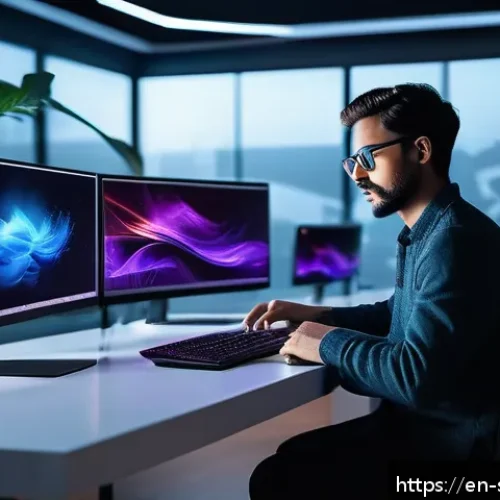
A professional female character designer, fully clothed in a modest, contemporary artist's smock, is deeply focused in her vibrant, sunlit studio. She sits before a large digital tablet displaying a meticulously sculpted 3D character model in mid-creation, with detailed, well-formed hands visible as she works. Behind her, a comprehensive mood board is pinned with a mosaic of inspirational images: abstract patterns, rich color swatches, and diverse texture samples, reflecting the "initial spark" of character conceptualization. The studio is clean and organized, showcasing a blend of traditional art supplies and modern digital tools. The atmosphere is one of focused creativity and artistic precision.

You know, when I first stumbled upon Sofirubi, I was genuinely captivated. There’s just something about characters that truly resonate, isn’t there? It always gets me thinking: what incredible alchemy goes into bringing such a vibrant, emotionally rich figure to life?

From my own observations in the creative space, it’s far more than just a quick sketch; it’s a meticulous blend of storytelling, intricate visual design, and even a deep understanding of audience psychology.

I’ve personally witnessed the sheer dedication artists and animators pour into these digital beings. It’s a field constantly being reshaped, especially now with AI tools offering new avenues for rapid prototyping and even motion capture, pushing the boundaries of what’s possible.

Characters today aren’t just for screens; they’re designed with a future in mind – for interactive games, metaverse experiences, and even as unique digital collectibles.

It makes you wonder how personalized and adaptable future characters will become! Let’s dive deeper into this fascinating creation process right below.

The Initial Spark: Breathing Life into Concepts

sophieruby - 이미지 1

You know, when I first started out in this creative space, I was absolutely fascinated by how a character, once just a fleeting idea, transforms into something tangible, something that truly resonates with people. It’s like watching magic unfold. My own journey has shown me that the true alchemy begins not with a brushstroke or a pixel, but with a deep dive into the essence of what you want to convey. It’s about pulling threads from countless inspirations – a half-remembered dream, a quirky personality you observed on the street, even the way light falls on an object. This initial conceptualization phase is incredibly fluid, a constant back-and-forth between vague notions and sudden flashes of clarity. I’ve often seen artists pinning up mood boards filled with disparate images, colors, textures, and even music, all contributing to the emotional palette of a character. It’s a beautiful mess, honestly, but it’s where the character’s soul starts to form, long before any digital tools come into play. This is where you wrestle with the core question: what story does this character need to tell?

From Sketch to Soul: Visualizing Personality

Once those initial sparks fly, the real work of visualization begins. I’ve always found that the very first sketches, no matter how rough, capture a raw energy that sometimes gets polished away in later stages. It’s about more than just drawing a figure; it’s about translating that emotional palette into a visual language. Does their posture convey confidence or shyness? Do their eyes sparkle with mischief or sadness? Every line, every curve, every proportion contributes to the character’s perceived personality. I remember working on a project where we spent weeks just refining the tilt of a character’s head, because that subtle angle alone could completely shift how the audience perceived their vulnerability. It’s meticulous, yes, but incredibly rewarding when you finally see that initial concept solidify into a recognizable form that already feels like someone you know.

The Narrative Core: Crafting Backstories and Motivations

Beyond the visual, what truly gives a character depth is their story. And I’m not just talking about plot points here; I mean the deep, personal narrative that shapes who they are and why they do what they do. This is where you delve into their past, their dreams, their fears, their quirky habits, and even their favorite breakfast food. I’ve personally witnessed how a seemingly minor detail in a character’s backstory – say, a fear of heights stemming from a childhood incident – can inform their reactions, their decisions, and their growth throughout an entire narrative. It’s about building a psychological profile, understanding their internal logic, even if it seems illogical to an outside observer. This grounding in a rich narrative core is what makes a character feel authentic, someone with whom an audience can truly empathize and connect, moving them beyond just a pretty face or cool design.

The Art of Digital Alchemy: Tools and Techniques

Stepping into the digital realm, it’s truly astounding to see how artists leverage cutting-edge tools to bring these concepts to vibrant life. I recall my initial awe witnessing a 2D sketch transform into a fully realized 3D model, capable of complex movement and expression. It’s not just about pushing buttons; it’s about a profound understanding of anatomy, lighting, texture, and how these elements interact to create a believable presence. From the meticulous precision of sculpting software to the nuanced control over light and shadow, every technical decision is an artistic one. This phase often feels like a fusion of traditional artistry with modern engineering, where creative vision is translated into data that can then be rendered and animated. It’s a field that’s constantly evolving, with new software and techniques emerging almost monthly, each promising to push the boundaries of what’s visually possible and allow artists even greater expressive freedom.

Sculpting Realities: 3D Modeling and Texturing

When you talk about bringing characters into the digital space, 3D modeling is often the backbone. I’ve spent countless hours watching modelers meticulously sculpt forms, beginning with basic primitives and gradually refining them into intricate, organic shapes. It’s like digital clay, but with the added complexity of topological flow and polygon density. And then there’s texturing – this is where the character truly gains a sense of touch and realism. It’s not just about color; it’s about capturing the roughness of fabric, the sheen of metal, the subtle imperfections of skin. I remember one project where the difference between a character looking “plastic” and looking “alive” came down to the microscopic details in their skin texture and the way light reacted to it. This level of detail, often unnoticed consciously by the viewer, profoundly impacts the perceived authenticity and depth of the character.

Movement and Emotion: Rigging and Animation Challenges

Once a character is modeled and textured, they’re essentially a static sculpture. To make them move and express, rigging and animation become paramount. Rigging, in my experience, is a hidden art form. It’s about building an internal skeleton and control system, like a puppet’s strings, that allows animators to pose and move the character fluidly. A well-rigged character can perform a myriad of actions with natural grace, while a poorly rigged one feels stiff and lifeless. And then, the animation itself – this is where the character truly breathes. I’ve seen animators spend days on a single five-second sequence, refining a gesture, a facial expression, the subtle shift of weight, all to convey a specific emotion or intention. It’s a testament to their dedication to bring out the character’s internal life through external movement, a true craft that blends observation of human behavior with artistic interpretation.

Psychology of Connection: Why We Fall for Fictional Beings

It’s truly a marvel, isn’t it, how deeply we can connect with characters that don’t even exist? I mean, I’ve shed tears over fictional endings and cheered characters on as if they were my best friends. From my perspective, this profound emotional resonance isn’t accidental; it’s the result of creators tapping into fundamental human psychology. We project ourselves onto these figures, finding echoes of our own experiences, hopes, and struggles within their narratives. It’s a powerful form of escapism, yes, but also a mirror. The human brain is wired to recognize patterns and find meaning, and characters, when crafted with care, provide us with relatable archetypes and emotional anchors that help us navigate our own complex realities. This connection fosters empathy, allows us to explore different perspectives, and ultimately, enriches our own understanding of the human condition.

Archetypes and Relatability: Tapping into Universal Experiences

One of the most effective ways characters resonate is through the clever use of archetypes. Think about it: the wise mentor, the brave hero, the mischievous trickster. These are patterns of behavior and personality that we instinctively recognize across cultures and generations. I’ve personally observed how audiences immediately latch onto characters that embody these universal themes, because they provide a familiar framework for understanding. But it’s not just about using archetypes; it’s about infusing them with unique details and flaws that make them distinct and relatable. A hero who stumbles, a villain with a tragic past – these imperfections are what make them human, allowing us to see a piece of ourselves, or someone we know, in their journey. This relatability is the bedrock upon which genuine emotional connection is built, making their triumphs feel like our own victories and their setbacks our shared disappointments.

The Uncanny Valley and Beyond: Bridging Realism and Appeal

The concept of the “Uncanny Valley” is something I’ve grappled with quite a bit in my work, particularly with characters aiming for high realism. It’s that eerie feeling we get when something looks almost, but not quite, human. It’s a fine line designers walk: too artificial, and the character feels flat; too realistic, and if they miss the mark by even a tiny fraction, they can become unsettling. What I’ve found fascinating is that often, a stylized approach, rather than hyper-realism, can be far more effective in fostering appeal and emotional connection. Think about how animated characters, despite not being “real,” evoke profound emotional responses. It’s about caricature, exaggeration, and finding the essence of an emotion or personality trait, rather than simply mimicking reality. Bridging this gap between what’s visually presented and what resonates emotionally is a delicate dance, but when it’s done right, the character truly comes alive in the viewer’s mind.

AI as a Creative Partner: Enhancing the Character Pipeline

The conversation around AI in creative fields can sometimes feel a bit dramatic, but from my vantage point, it’s clear that AI is rapidly becoming an invaluable partner in character creation, not a replacement for human ingenuity. I’ve personally experimented with various AI tools, and what strikes me most is their ability to handle the more repetitive or computationally intensive tasks, freeing up artists to focus on the truly creative, conceptual work. It’s like having an incredibly efficient assistant who can rapidly generate variations or automate complex processes. This shift means that the character creation pipeline, which used to be incredibly lengthy and resource-intensive, can now be significantly accelerated, allowing for more iteration, more experimentation, and ultimately, more refined and innovative characters. The magic, for me, happens when human intuition guides AI’s computational power.

Generative Design: Speeding Up Iteration and Variation

One of the most exciting applications I’ve seen is in generative design. Imagine needing to create dozens of unique background characters for a bustling city scene, or exploring hundreds of different outfit variations for a protagonist. Manually, this would take weeks, if not months. AI-powered generative tools can now produce an incredible array of concepts, textures, and even character models in a fraction of the time. While these initial outputs might not be perfect, they provide an invaluable starting point, a rich pool of ideas from which artists can select, refine, and imbue with their unique artistic vision. I’ve found that this capability dramatically speeds up the iteration process, allowing creators to explore far more design avenues than ever before, leading to more diverse and compelling character universes.

AI-Powered Animation: Streamlining Motion and Expression

Animation has historically been one of the most time-consuming aspects of character development. Every subtle movement, every nuanced expression, requires painstaking keyframing or motion capture setup. Now, with AI-powered animation tools, a lot of that heavy lifting can be streamlined. I’ve seen demonstrations where AI can intelligently interpolate between poses, generate realistic secondary motion, or even transfer complex facial expressions from a human performance onto a 3D character with remarkable accuracy. This doesn’t mean animators are obsolete; quite the opposite. It means they can dedicate more of their precious time to perfecting the emotional beats, the subtle nuances that truly bring a performance to life, rather than being bogged down by the technical minutiae. It’s about leveraging technology to enhance artistry, not diminish it.

Aspect of Creation Traditional Approach AI-Assisted Approach
Concept Iteration Manual sketching, limited variations due to time. Rapid generation of hundreds of unique concepts.
3D Modeling Base Sculpting from scratch, detailed topology planning. AI-generated base meshes, auto-retopology.
Texturing & Materials Hand-painting, photogrammetry, PBR maps. AI-generated textures based on style prompts, smart material application.
Rigging Efficiency Manual bone placement, weight painting, control setup. Automated rigging, AI-driven weight painting suggestions.
Animation Speed Keyframing, motion capture cleanup, manual adjustments. AI-interpolated animation, style transfer, real-time facial capture.

Beyond the Screen: Characters in the Metaverse and Beyond

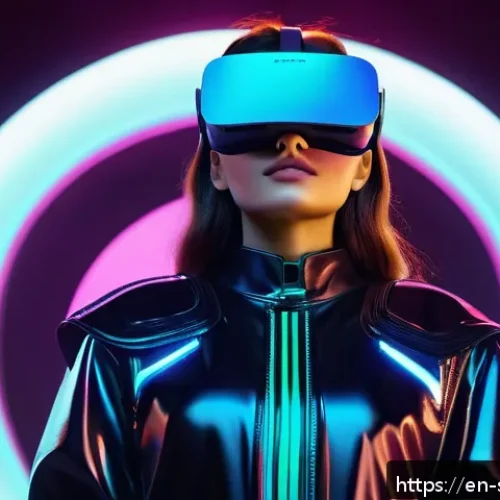
The future of characters is, without a doubt, moving beyond the traditional two-dimensional screen. I’ve been keenly observing the rise of immersive technologies, and it truly feels like we’re on the cusp of a revolution in how we interact with and embody digital characters. The metaverse isn’t just a buzzword; it’s a developing ecosystem where digital characters will serve as our primary means of identity and interaction. Imagine walking into a virtual space, not as an anonymous user, but as a fully realized, expressive avatar that you’ve either created or chosen, one that genuinely reflects your personality or the persona you wish to project. This shift profoundly changes the dynamic of character creation, moving from a one-to-many broadcast to a deeply personal, interactive experience where characters become extensions of ourselves. It’s a thrilling frontier that promises entirely new forms of storytelling and social connection.

Avatars and Identity: Personalizing Digital Selves

The concept of avatars is evolving rapidly. It’s no longer just about picking a predefined model from a list; it’s about profound personalization. I’ve seen platforms where users can sculpt their digital likenesses with incredible detail, choosing everything from skin texture and eye color to clothing styles and even specific gait patterns. This personalization isn’t merely cosmetic; it ties directly into our sense of digital identity. Our avatars become our representatives in virtual spaces, extensions of our real-world selves, or perhaps even idealized versions. The challenge for creators here is providing tools that are both powerful and intuitive, allowing everyone to craft an avatar that truly resonates with their sense of self. This deep connection to one’s digital representation elevates the character from a mere design to a vessel for self-expression, making the virtual experience significantly more engaging and meaningful.

Digital Collectibles: The New Frontier of Ownership

Another fascinating development I’ve been tracking is the emergence of digital characters as unique, verifiable collectibles, often leveraging blockchain technology. We’re moving into an era where a character, or a unique variation of one, can be owned, traded, and even used across different virtual environments. It’s a completely new paradigm for monetization and engagement. I’ve seen artists and developers experimenting with limited-edition digital figures, interactive companions, and even characters that evolve based on user interaction. This brings an entirely new dimension to character design, where rarity, provenance, and utility in virtual worlds become key considerations. It’s a testament to the enduring appeal of characters that they are now transcending traditional media to become valuable, ownable assets in the burgeoning digital economy, fundamentally reshaping how creators approach their intellectual property.

The Iterative Loop: Refining and Evolving Characters

Creating a character isn’t a one-and-done deal; it’s truly an ongoing process, a continuous loop of refinement, feedback, and evolution. I’ve learned that the most enduring characters are those that are allowed to grow, adapt, and even surprise their creators. It’s a dynamic relationship, almost like raising a child, where initial intentions might diverge as the character takes on a life of its own through storytelling and audience interaction. This iterative nature is crucial, especially in today’s fast-paced digital landscape, where feedback is instant and expectations are high. The characters we cherish most are often those that evolve alongside us, reflecting societal changes or deeper thematic explorations. It’s a humbling experience to see a character you helped bring to life take on a meaning far beyond your initial vision, thanks to the collective engagement of fans and continued artistic development.

Feedback and Fan Engagement: Listening to the Audience

In the modern creative ecosystem, especially in games and episodic content, audience feedback is gold. I’ve seen firsthand how listening to fans, truly engaging with their discussions, fan art, and theories, can provide invaluable insights that shape a character’s future trajectory. It’s not about letting the audience dictate every creative choice, but rather understanding what resonates, what confuses, and what emotional chords are being struck. Sometimes, a minor character that unexpectedly captivates the audience might find themselves propelled into a more prominent role. This direct line of communication with the community fosters a deeper sense of ownership and connection, making fans feel like they’re part of the character’s journey. It’s a powerful feedback loop that can breathe new life into a character and ensure their continued relevance and appeal.

Longevity and Legacy: Building Enduring Icons

Ultimately, the goal for many creators is to craft characters that stand the test of time, that become enduring icons across generations. This isn’t just about good design or compelling stories; it’s about building a legacy. I’ve often wondered what makes certain characters transcend their original medium and embed themselves in popular culture – is it their relatability, their aspirational qualities, or simply the sheer emotional impact they’ve had on millions? I believe it’s a combination of consistent storytelling, adaptability to new formats, and the ability to spark ongoing conversations and fan engagement. Characters like Mickey Mouse, Bugs Bunny, or even modern video game heroes have achieved this by evolving without losing their core identity, proving that a well-conceived character, continually nurtured, can truly become immortal in the collective consciousness.

Closing Thoughts

Looking back at the intricate dance of character creation, it’s truly a journey from a fleeting thought to an enduring icon. What I’ve seen time and again is that whether we’re talking about a whimsical sketch or a fully interactive metaverse avatar, the heart of it all remains the same: the desire to connect, to tell a story, and to evoke genuine emotion. The tools and technologies will continue to evolve at lightning speed, offering incredible new avenues for expression, but the core human need for compelling narratives and relatable beings will never change. It’s a field where creativity, psychology, and technical mastery merge, and honestly, that’s what makes it so incredibly thrilling to be a part of.

Useful Information

1. Start with “Why”: Before sketching a single line or opening any software, ask yourself why this character exists. What is their core purpose, emotion, or story? This foundation will guide every design choice.

2. Observe and Adapt: The best character creators are keen observers of the real world. Study human (and animal) anatomy, expressions, gestures, and even clothing. Don’t be afraid to pull inspiration from everyday life.

3. Embrace Iteration: Character design is rarely a straight line. Be prepared to sketch, model, test, and refine multiple times. Each iteration brings you closer to the character’s true self.

4. Understand Your Audience: Who is this character for? Understanding your target demographic’s preferences, cultural context, and emotional triggers can significantly impact how your character is received.

5. Leverage AI Smartly: View AI as an incredibly powerful assistant for mundane tasks, rapid prototyping, and exploring variations. It frees you up to focus on the truly creative, unique aspects that only human intuition can provide.

Key Takeaways

Creating compelling characters is a multi-disciplinary art form that blends initial conceptualization, meticulous visual design, and profound narrative depth. From the first spark of an idea to its digital realization and beyond, every stage is vital. The human connection remains paramount, driven by relatable archetypes and the delicate balance between realism and appeal. As technology advances, particularly with AI, the character creation pipeline is becoming more efficient, allowing artists to focus on core creativity. The future promises even more immersive experiences in the metaverse, where characters evolve into personalized avatars and digital collectibles, fostering new forms of identity and ownership. Ultimately, enduring characters are those that are continuously refined through feedback and allowed to evolve, building a lasting legacy that transcends their original medium and resonates across generations.

Frequently Asked Questions (FAQ) 📖

Q: What’s the real “alchemy” involved in creating a character that genuinely captivates people, like you mentioned with Sofirubi?

A: You know, it’s funny because when I first started out, I always thought it was just about drawing something cool, right? But after years of watching these incredible talents, I’ve realized it’s so much deeper.
The true alchemy? It’s this wild, messy, beautiful process of breathing life into an idea. It starts with an almost obsessive dedication to a character’s soul – not just their look.
We’re talking about mapping out their entire life story, their quirks, their deepest fears, what makes them tick. Then, you pour all that emotional depth into the visual design, making sure every line, every color choice, even the way their hair falls, tells a piece of that story.
It’s like being a method actor, but for a drawing. You literally have to feel what that character would feel, see what they would see, so that when someone looks at them, they instantly connect.
It’s a gut feeling, a resonance. Trust me, it’s a lot more tears and coffee than just a quick sketch!

Q: You talked about

A: I tools reshaping the field. How do you see AI genuinely impacting the day-to-day work of artists and animators in bringing characters to life? A2: Oh, AI is definitely a game-changer, and honestly, it’s been a bit of a rollercoaster for many artists, myself included, getting used to it.
When I first heard about AI in character design, my initial thought was, “Is this going to take jobs?” But what I’ve witnessed firsthand is something else entirely.
It’s not about replacement; it’s about empowerment. Imagine the sheer grind of manually tweaking every frame of an animation, or sketching hundreds of variations for a character concept.
AI tools, especially for rapid prototyping or motion capture, are incredible accelerators. They handle the repetitive, tedious parts, freeing up artists to focus on the creative core—the storytelling, the unique artistic vision, the nuances that only a human can truly imbue.
I’ve seen animators use AI to quickly block out complex movements, then go in and refine them with that human touch that makes a character truly believable.
It means more time for the heart and less for the grunt work, which is pretty exciting if you ask me.

Q: With characters now being designed for things like the metaverse and digital collectibles, how do you think their adaptability and personalization will evolve?

A: This is probably the most mind-bending part of where we’re heading with characters, isn’t it? It’s not just about a static image or a linear story anymore.
When you start thinking about characters existing in a metaverse, or as unique digital collectibles you own, the possibilities just explode. I imagine characters becoming almost like digital companions, evolving with you.
Think about it: a character in a game that learns your playstyle and adapts their dialogue or actions accordingly. Or a digital collectible that actually changes over time based on your interactions, or even real-world events.
It’s not just personalization in terms of custom outfits; it’s about dynamic personalities and narratives that are unique to your experience. We’re moving towards a future where characters aren’t just something you observe, but something you truly interact with, something that feels genuinely responsive and alive.
It really makes you wonder how much deeper that connection will get, doesn’t it?